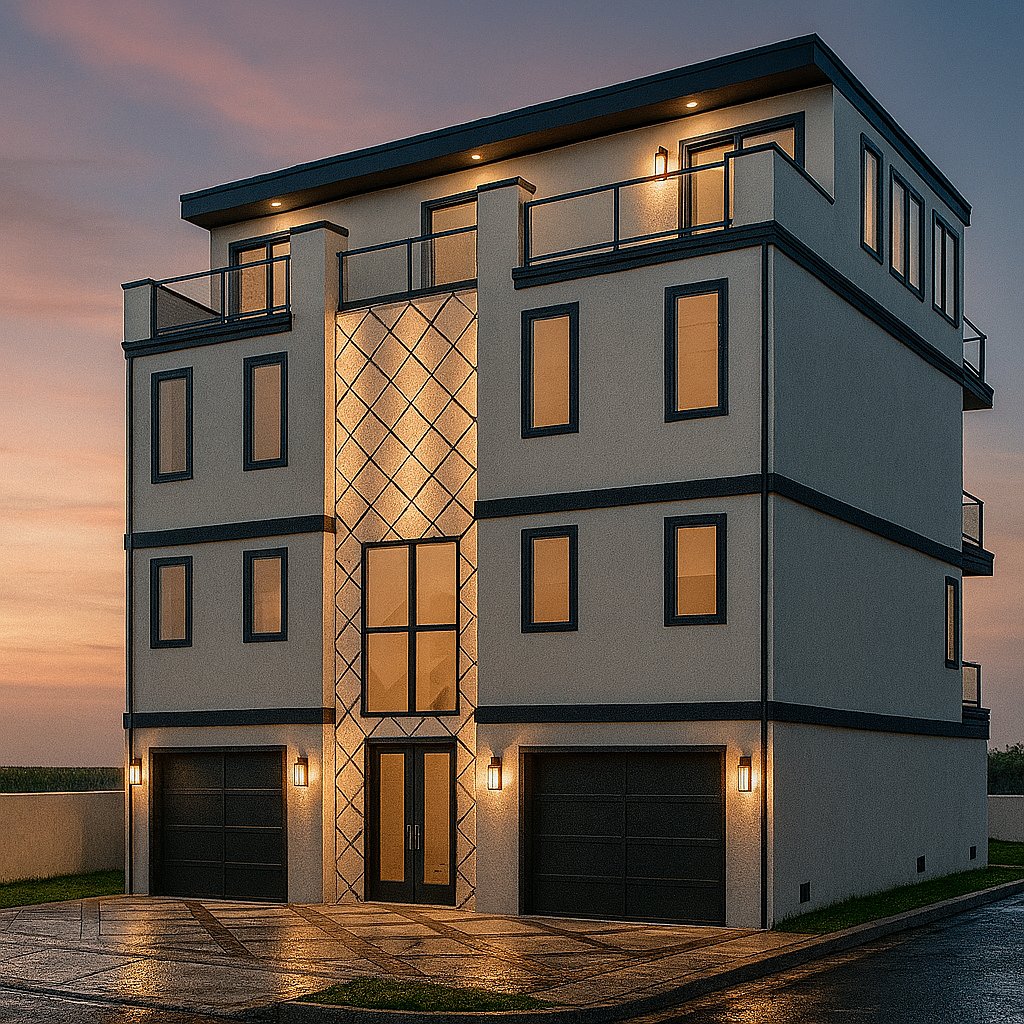
What really moves prices in North Myrtle Beach? If you are weighing a second home, an STR-friendly condo, or a modern new build near the water, you want clear, local insight. This guide breaks down the demand and supply forces that matter, how seasonality shapes returns, and the costs and risks that affect value. By the end, you will know what to watch, how to compare property types, and the metrics that help you buy or sell with confidence. Let’s dive in.
The big drivers of demand
Tourism and STR economics
North Myrtle Beach sits in a high-volume coastal tourism market. Visitor demand spikes in late spring and summer, which lifts occupancy and nightly rates for short-term rentals. Peak season performance during Memorial Day to Labor Day, spring breaks, and major events often drives investor revenue models.
If you plan to rent, focus on monthly occupancy patterns, average daily rate, and revenue per available rental. A strong summer can offset quieter winter months, but lenders and underwriters may test your numbers using shoulder season performance.
Who buys here and why
You will see four main buyer groups. Year-round residents often prefer single-family homes and evaluate commute and daily-life convenience. Second-home and seasonal buyers lean toward low-maintenance condos near the beach, sometimes with a rental plan. Investors prioritize turnkey condos and homes where cap rate and cash flow are clear. Retirees and downsizers value amenities, maintenance-included living, and access to services.
Location premiums by the beach
Proximity to the sand is a core pricing force. Oceanfront property and units with unobstructed views command consistent premiums due to scarcity, lifestyle appeal, and stronger rental pricing. Walk-to-dining and entertainment near Ocean Drive and other activity nodes can support higher values and steadier rental demand.
Amenities and lifestyle communities
Resort-style communities with golf, marinas, pools, and on-site services help attract both long-term buyers and higher-paying renters. You will often see higher HOA fees in these settings. Many buyers accept those costs because year-round services reduce seasonality and support an easier ownership experience.
Macro and local economy factors
Regional employment in hospitality, services, and health care, along with interest rates and migration from higher-cost markets, all influence demand. Capital markets and lending policies for STRs and certain condos can expand or limit investor activity.
What the supply side looks like
Condos vs single-family homes
Condos suit investors seeking STR income and buyers who want low maintenance near the beach. They often offer better rental infrastructure and more units packed into oceanfront corridors. Tradeoffs include HOA fees, special assessments, and building-level rules that can limit rentals or financing options.
Single-family homes appeal to year-round residents and buyers who want land, flexibility, and potential appreciation on the lot. Expect higher maintenance and upfront costs, plus exposure to coastal weather risks. You often gain more control over renovations and fewer rental-management restrictions, depending on the location.
New construction and inventory shifts
New oceanfront condo projects and renovations on older buildings can add meaningful supply. When fresh inventory hits in volume, price growth can flatten in the short term. Watch building permits, planned projects, and MLS updates to gauge future supply trends.
How submarkets differ
North Myrtle Beach includes Ocean Drive and Crescent Beach, Windy Hill, Cherry Grove, Barefoot Resort, and nearby inland neighborhoods. Each area varies by shoreline orientation, beach width, and public access points. Some corridors lean toward condo rows while others offer more single-family lots or golf and marina amenities. Mapping these traits to your goals helps narrow the search quickly.
Seasonality shapes pricing and liquidity
Peak months and revenue patterns
Most STR revenue concentrates in late spring and summer. Off-season occupancy and nightly rates typically decline. As a buyer or investor, model your annual forecast by month and stress test your plan using shoulder season assumptions.
How rentals influence resale demand
Turnkey units with proven rental histories compete well and can compress time on market. A micro-neighborhood with a high STR share can feel more transient, which may appeal to investors but not all year-round buyers. Understanding that balance helps you price, market, or select the right property.
Know the rules for STRs
Local rules can shape net income and operations. Expect requirements for business licensing, lodging or accommodations tax registration, safety and inspection standards, occupancy caps, and parking. Always verify the most current city and county policies before you buy or project returns.
Costs and risks that change value
Insurance, flood, and storms
Flood zones and hurricane exposure are central to coastal ownership. FEMA flood maps drive insurance requirements for many loans and influence premiums. Elevation, dune protection, and shoreline conditions matter for long-term resilience. Ask for elevation certificates and review past claims where available.
Wind and hurricane coverage can shift in price and availability based on insurer and reinsurance conditions. Budget conservatively and revisit quotes during your due diligence period.
HOA fees, taxes, and assessments
HOA and condo fees can cover reserves, insurance, maintenance, and amenities. These costs are material to monthly carrying expenses and cap rate calculations. Check for special assessments and review Horry County property tax records to understand the full picture.
Financing and appraisal considerations
Condo financing may require building-level approvals tied to reserves, insurance coverage, and owner-occupancy ratios. Buildings that function like condotels or have high investor concentration can see stricter underwriting. Investment loans often come with higher down payments, higher rates, and different coverage tests using DSCR or documented rental income.
Appraisers will rely on close, like-kind comps. In niche micro-areas, such as oceanfront single-family homes with few recent sales, appraisal variance can be higher. Build in a buffer and align contract timelines with lender and appraisal reality.
Construction standards and upgrades
Coastal construction standards, such as elevated foundations and wind-rated systems, can increase build and repair costs. They also reduce long-term risk. Flood-mitigation upgrades and storm-hardening features can support better insurability and protect resale value.
How to evaluate a property here
Use a simple, metrics-forward approach whether you are buying a home for yourself or modeling an STR.
- Location premium: oceanfront, view corridor, and walk-to-beach distance.
- STR performance: occupancy by month, average daily rate, revenue per available rental, and seasonality ratio.
- Carry costs: HOA or condo fees, insurance, property taxes, utilities, management.
- Risk profile: flood zone designation, elevation certificate, wind coverage needs, and building condition.
- Liquidity markers: recent comparable sales, days on market, and list-to-sale price ratios in the immediate micro-area.
- Supply signals: pending or approved projects, new listings volume, and building-level rules that may affect financing or rentals.
For personal-use buyers, weigh commute patterns and everyday convenience. For investors, translate all assumptions into cap rate and cash-on-cash after realistic management, cleaning, utilities, and reserves.
Timing your move in North Myrtle Beach
Peak visitor months can bring lively showings and competitive bids for STR-ready listings. Off-season can offer more negotiating room and better access to vendors for inspections and underwriting. If you are selling, align list timing with when your property shows best and when you can manage showings around rental calendars.
If you are buying, prepare your financing, confirm insurance quotes for the specific property, and validate HOA rules early. Quick clarity wins in competitive windows and avoids surprises during due diligence.
Work with a partner who builds and brokers
In North Myrtle Beach, you benefit from a partner who understands design, construction, and market performance. Modern, well-built coastal homes with hospitality-grade amenities are easier to present, insure, and operate. Clear rental positioning can sharpen your revenue forecast and inform pricing at resale.
Modern Fortress is a developer-broker hybrid focused on architecturally distinct, turnkey coastal properties. You get one accountable team for design, build, and brokerage, with concierge guidance from first conversation to private tour and close.
If you are ready to walk a property or want a custom plan for your goals, connect with Jack Chazen. We will align design, build quality, and rental performance with your lifestyle or investment target.
FAQs
How much does oceanfront location typically add to price?
- Oceanfront and near-beach homes and condos often command meaningful premiums due to scarcity, views, and stronger rental pricing, which supports higher values over time.
Condo or house for a North Myrtle Beach vacation rental?
- Condos offer low maintenance and STR infrastructure near the sand, while houses provide flexibility and land ownership; weigh HOA rules, fees, and financing against your revenue goals.
Which months produce the most STR income in North Myrtle Beach?
- Late spring through summer is the primary revenue window, with lower occupancy and rates in off-season months; model income monthly and stress test shoulder seasons.
What local rules affect short-term rentals in North Myrtle Beach?
- Expect business licensing, lodging tax registration, safety checks, occupancy limits, and parking standards; verify current city and county requirements before buying or listing.
How do flood zones and hurricanes affect insurance and resale value?
- FEMA flood zones influence insurance needs and premiums, while elevation and wind standards affect risk; strong mitigation can support insurability and future buyer confidence.
Are lenders restricting financing for certain condos or condotels?
- Some lenders require building approvals tied to reserves, insurance, and owner-occupancy; condo-hotels or high-investor buildings can face stricter terms and higher down payments.
What metrics should I use to underwrite an STR purchase?
- Focus on occupancy by month, ADR, RevPAR, cap rate, DSCR, and a realistic expense load for management, utilities, cleaning, insurance, taxes, and reserves.
How do HOA fees and special assessments impact returns?
- HOA and condo fees are a major part of carry costs and can offset higher summer revenue; check for pending assessments and review budgets and reserves before committing.