You can spot a great new build before you ever step into a model if you know what to look for. In Myrtle Beach, supply is rising, styles are shifting, and incentives come and go with the season. If you want modern design, rental potential, or a primary home that holds value, reading the trends matters. This guide shows you how to track permits, compare finishes, understand style by neighborhood, and time your move. Let’s dive in.
Market signals to watch
Myrtle Beach is still building at scale. Horry County authorized 7,331 new housing units in 2024, up from 6,513 in 2023, a clear sign of sustained construction momentum across the Grand Strand. Be sure you know which measure you are reading, since public reports can tally permits differently by calendar or fiscal year and by permit type. The county’s financial reporting explains these differences.
Tourism demand stays strong. Visit Myrtle Beach estimates about 18.2 million visitors in 2024, and their lodging dashboards track hotel and vacation-rental performance. That visitor scale supports both condo and single-family investment demand. Review the destination’s industry research and lodging dashboards when you compare rental assumptions.
On the ground, conditions have shifted from the extreme shortage of 2021–2022 toward more balance. Inventory is higher than the pandemic lows, median prices have held or inched up in pockets, and days on market have lengthened. In this phase, you often see builders use targeted incentives like rate buydowns and closing cost help instead of broad price cuts.
What builders are delivering now
Floorplans buyers want
You will see slightly smaller average home sizes with smarter space. National buyer preferences in 2024 favored first-floor primary suites, flexible rooms for work or guests, and more outdoor living, and those features show up across Grand Strand plans. Review the NAHB trend summary covered by industry media to understand why these layouts help resale and rental appeal. This analysis outlines the shift toward flex spaces and indoor-outdoor flow.
For a local example, certain luxury plans at Grande Dunes include first-floor primary options and multiple indoor-outdoor setups. Explore how builders position these features in offerings like Cascadia at Grande Dunes by Toll Brothers.
Finish levels and resilience
Standard move-in packages from national builders often include low-maintenance LVP flooring, quartz or engineered-stone counters, Energy Star appliances, and basic smart-home wiring. Compare a builder’s “included features” sheet against the model home’s upgrades line by line so you are not overpaying for sizzle.
Close to the beach, pay attention to impact windows and doors, elevated foundations, and durable exterior materials. These choices can affect insurance, maintenance, and long-term value. Ask for written specs and verify the exact product lines in your contract.
Product mix expanding
Attached housing is rising in targeted submarkets. Townhomes and higher-density attached product continue to grow in and near Carolina Forest, Market Common, and select infill sites. You will find multiple phases and builder offerings competing on low-maintenance living and rental flexibility. Luxury enclaves along the Intracoastal and oceanfront continue to emphasize premium finishes and amenity packages, including new phases like Beach View at Grande Dunes by Lennar.
Modern vs coastal traditional: where styles show up
Market Common and infill
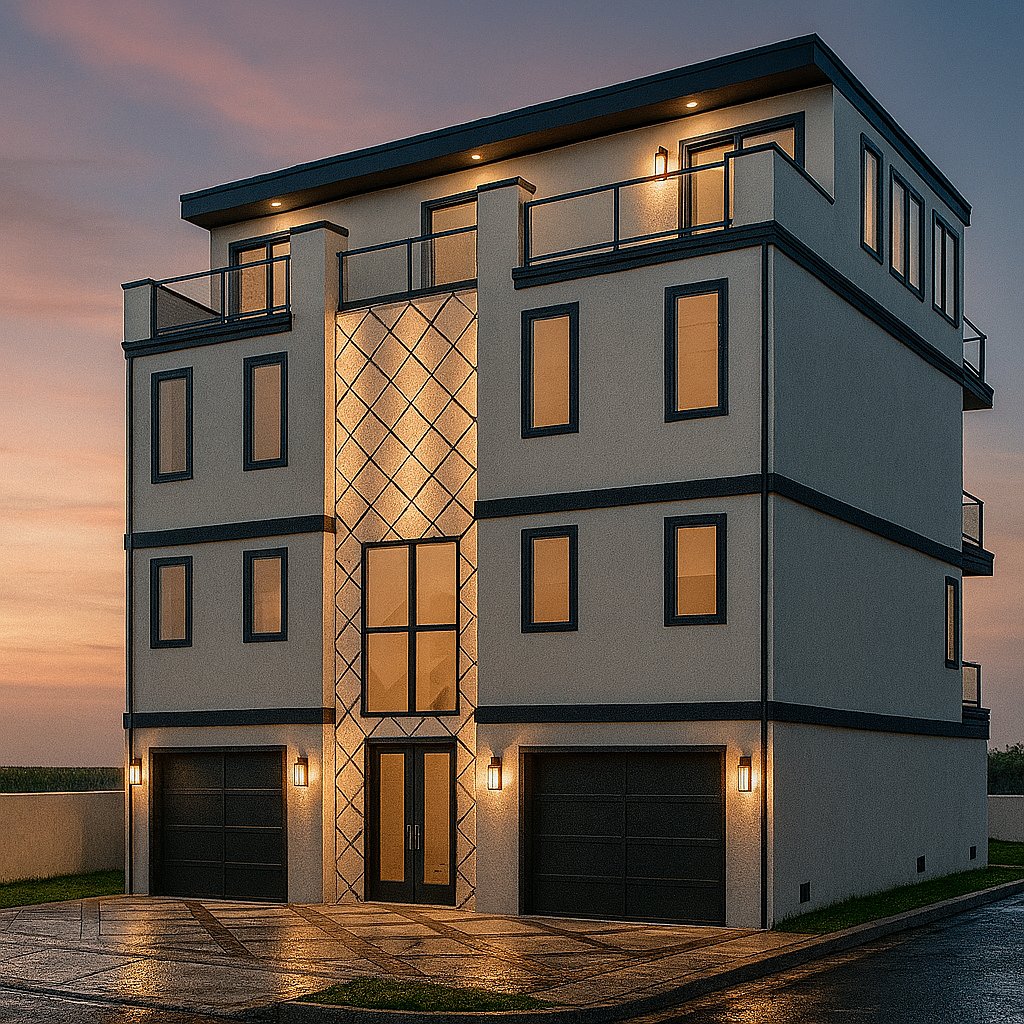
Expect a tilt toward modern and transitional townhome forms, urban-village details, and coastal-contemporary interiors. If you want walkable, lock-and-leave convenience with updated finishes, these projects often lead the way.
Grande Dunes and oceanfront
Luxury neighborhoods on the oceanfront and along the Intracoastal focus on classic coastal architecture, resort amenities, and top-tier finish packages. You will see larger lots, club access, and gated sections in several phases.
Carolina Forest and inland tracts
High-volume single-family neighborhoods here often deliver open main levels, primary suites on the first floor, and a dedicated flex room or loft. Community pools and trails are common, with phased releases that can run for several years.
Investor outlook: STR rules, tourism, and carry costs
STR overlay on the oceanfront
In 2024 the City of Myrtle Beach adopted a Short-Term Rental Conversion Overlay that restricts certain conversions inside a defined oceanfront area. This move aims to manage impacts on municipal revenue, jobs, and public safety. If you buy a condo or mixed-use asset near the oceanfront, review the overlay boundaries, licensing, and any pending actions in the city’s official meeting minutes.
Seasonality and underwriting
Peak-summer ADRs and occupancy are strong, while winter softens. Visit Myrtle Beach publishes aggregated lodging metrics and dashboards that can help you calibrate conservative off-peak assumptions. Start with the destination’s industry research hub and supplement with local management quotes.
Insurance and policy shifts
Coastal properties face hurricane, storm surge, and flood exposure, which can shape both financing and cash flow. Verify your exact FEMA flood zone and request elevation certificates when relevant. Use resources that explain local flood-zone designations for Myrtle Beach and Horry County. Also track state-level insurance legislation, since incentives and carrier rules can change your projections over a 1–3 year horizon. Follow updates at the South Carolina Statehouse.
Timing your buy: costs, rates, and incentives
Construction inputs have stabilized from pandemic peaks but remain sensitive to short-term swings. Industry data through mid-2025 showed renewed pressure on several materials and services, which can flow into base pricing and upgrade costs. Keep an eye on contractor indices and AGC cost updates.
Mortgage rates near early 2026 hovered around 6 percent, which keeps monthly payments elevated compared to 2020–2021 lows. Many builders respond with targeted incentives, especially rate buydowns and closing-cost credits, rather than cutting list prices broadly. Watch weekly rate trends from industry trackers like this market update on 30-year fixed averages.
Hotspots to watch in Horry County
- Carolina Forest: Large master-planned growth with steady single-family and townhome phases, plus community amenities.
- Market Common: Walkable mixed-use with modern townhomes and higher-finish attached product.
- Grande Dunes and oceanfront enclaves: Luxury coastal product with strong amenity sets and premium finishes.
- North Myrtle Beach corridor and select infill parcels: Ongoing redevelopment creates opportunities for dense attached product and mixed-use concepts.
New construction due diligence checklist
Use this quick list to compare projects and protect your timeline and budget.
- Confirm the permit pipeline and current phase map with the county or city, and ask the builder for recorded permits and finish schedules. Start with the county’s building-permit resources.
- Check FEMA flood maps and ask for recent elevation certificates when in AE or VE zones. Review local flood-zone basics for Myrtle Beach.
- Verify zoning, overlays, and business-license rules for short-term rentals, including oceanfront overlay boundaries. Read the city council minutes summarizing the STR overlay.
- Review HOA and CCR rental rules, plus fee schedules. Clarify what utilities or insurance are included.
- Ask for a written completion schedule, escalation clause details, and a line-item list of included finishes versus model upgrades.
- Underwrite with conservative assumptions. Pair the city’s lodging dashboards with quotes from property managers to model seasonality.
- Get insurance quotes early, including wind and named-storm deductibles. Factor in potential policy shifts tracked at the Statehouse.
The Modern Fortress take
If you want architecturally modern coastal living with clear rental positioning, focus on design that photographs well, durable systems that reduce friction, and amenity packages that perform in peak season. In Myrtle Beach and across Horry County, you can still find leverage if you target phases with incentives, compare included-versus-upgrade pricing carefully, and validate flood and STR details before you commit. When you are ready to tour modern product or review performance comps, we offer a single point of accountability across design, build, and brokerage.
Looking for a private look at current modern builds, specs, and rental positioning in Myrtle Beach and North Myrtle Beach? Schedule a conversation with Jack Chazen to map the right shortlist and timing.
FAQs
What does Horry County’s 2024 permit count mean for Myrtle Beach buyers?
- It signals sustained new-home momentum, with 7,331 housing units authorized in 2024, so you can expect steady inventory flow and active competition among builders.
Where are modern-style new homes most common in Myrtle Beach?
- You will see more modern and transitional forms in Market Common and select infill sites, while Grande Dunes and oceanfront areas lean luxury coastal with premium amenities.
How do Myrtle Beach short-term rental rules affect new-build condo and townhome buyers?
- The city’s oceanfront STR Conversion Overlay limits certain conversions in a defined area, so always verify overlay boundaries and licensing before you underwrite returns.
What finishes are typically included in new construction, and how should you compare packages?
- Expect LVP floors, engineered-stone counters, Energy Star appliances, and basic smart-home wiring, but always request a written “included features” sheet and compare it to model upgrades.
How are rates and build costs shaping incentives in 2026?
- With 30-year fixed rates near 6 percent and input costs still sensitive, many builders favor rate buydowns and closing-cost credits over list-price cuts, especially in active phases.