Seasonal rental demand in Little River is not just about summer beach traffic. If you own, plan to buy, or want to position a property here for stronger vacation performance, you need to understand what actually brings guests to this part of the Grand Strand and what helps a home stand out once they start comparing options. This guide breaks down how to align a Little River property with real seasonal demand, practical layout choices, and the local rules that shape how rentals operate. Let’s dive in.
Why Little River Draws Seasonal Guests
Little River benefits from the scale of the Grand Strand while offering a different kind of stay. Visit Myrtle Beach describes it as the area’s oldest fishing community, with demand tied to fishing charters, party-boat cruises, casino boating, marinas, seafood, and recurring events like the Blue Crab Festival in May and ShrimpFest in October.
That mix matters because guests are not booking Little River for the exact same reason they book a busy oceanfront core. Many are looking for a quieter base with strong access to boating, golf, beaches nearby, and north-end attractions without being in the middle of the heaviest tourist zones.
The broader tourism engine is also substantial. Visit Myrtle Beach reports that the 60-mile Grand Strand welcomed 18.2 million visitors in 2024, with $13.2 billion in visitor spending, while Myrtle Beach International Airport recorded a record 3.84 million passengers in 2024. For owners and investors, that supports the idea that Little River can tap into a very large leisure market while keeping a more nautical, low-key identity.
What Seasonal Demand Looks Like
Peak season still matters, but Little River demand is not limited to one summer burst. The Myrtle Beach Area CVB’s lodging dashboard and seasonal reporting show roughly 70% average summer occupancy across hotels and short-term rentals, with July stronger than June and August, and 2025 tracking close to 2024.
At the same time, annual averages only tell part of the story. The area also sees demand spikes tied to event weekends, sports travel, group stays, and shoulder-season visitors who want smaller crowds.
For Little River specifically, two event anchors stand out:
- Blue Crab Festival, typically the third weekend of May
- ShrimpFest, held the second weekend of October
Those windows can shape pricing, minimum-stay strategy, and marketing timing. Fall can also remain active because the broader Grand Strand continues to attract group travel, meetings, and sports events during periods with lighter beach crowds.
Positioning by Guest Type
The strongest rental positioning usually starts with understanding who your property naturally serves. In Little River, several guest profiles show up repeatedly in the market story.
Boaters and Fishing Guests
Little River has clear boating and fishing appeal. If your property is near a marina, boat launch, Intracoastal Waterway access point, or charter activity, that should be part of the lead story in your listing and photography.
These guests often respond well to practical features over flashy extras. Parking, gear storage, rinse space, easy entry, and durable surfaces can matter as much as design style because they support the way guests actually use the home.
Golf Travelers
Golf remains a major demand driver across the Grand Strand, and Visit Myrtle Beach reports a $1.6 billion economic impact from the local golf market in 2024. That makes golf convenience a meaningful angle for homes that provide easy access to courses in and around Little River.
For this segment, comfortable sleeping arrangements, multiple bathrooms, and a strong common area are often more useful than highly specialized rooms. Golf groups usually want an easy, clean, well-organized home base that works for several adults sharing the property.
Families, Groups, and Tournament Travel
Little River also benefits from proximity to North Myrtle Beach patterns, where beach stays are marketed for families, groups, and longer visits. On top of that, Little River has a 160-acre sports complex used for tournaments and team events, which supports demand for larger homes with flexible sleeping setups.
If your property can comfortably handle multiple adults, children, or team-related stays, that flexibility can widen your booking pool. In many cases, that leads to stronger shoulder-season performance as well.
Features That Match Little River Demand
The best-performing seasonal rentals in Little River are often the ones that feel versatile and easy to use. Instead of designing or furnishing around one narrow guest type, it usually makes more sense to support several.
Layout Choices That Help Bookings
A strong Little River rental often includes:
- Multiple sleeping zones
- King or queen primary suites
- Bunk rooms or convertible guest rooms
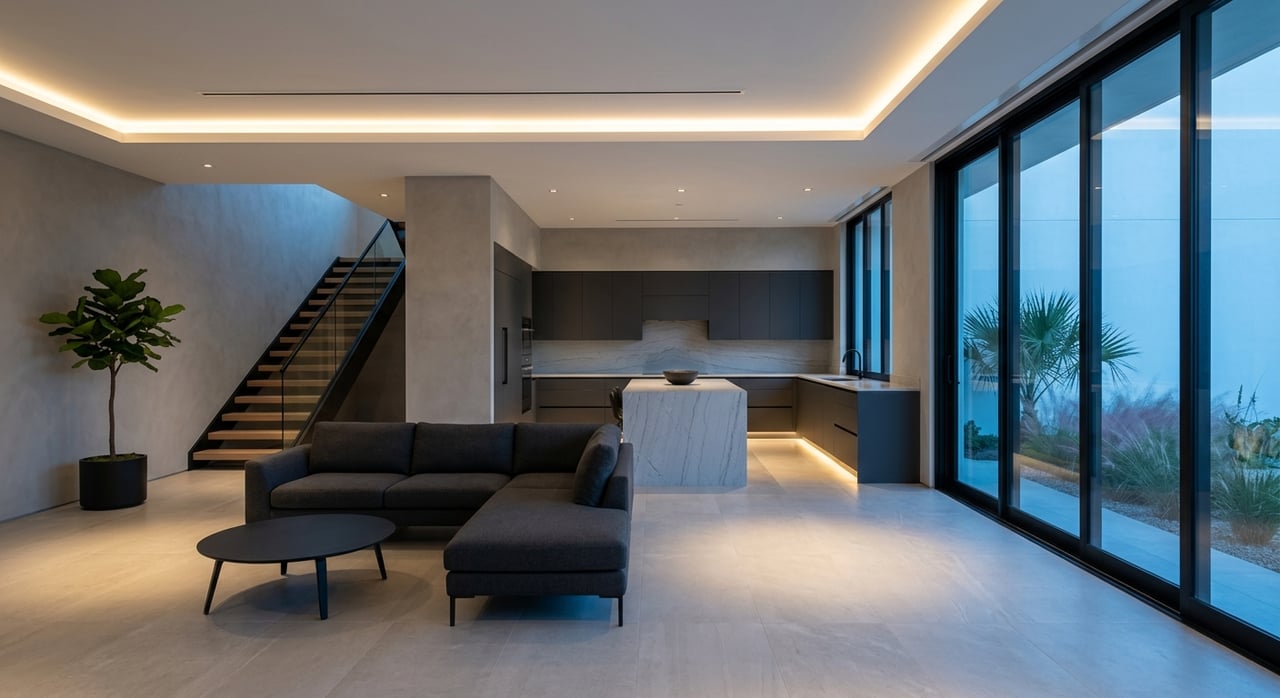
- Open living and dining space
- Enough bathrooms for group stays
- Full kitchen and laundry
- Easy indoor-outdoor flow
These features support longer weekends, family trips, golf groups, and event-based bookings. They also help your listing appear practical, which can improve conversion when guests are comparing homes with similar locations.
Amenity Choices That Fit the Market
Based on Little River’s visitor profile, useful amenities may include:
- Marina or waterway proximity
- Boat-friendly parking where appropriate
- Storage for gear
- Outdoor seating
- Ground-floor convenience or easy access
- Durable finishes that hold up well between stays
The goal is not to overload the home with generic vacation extras. It is to make the stay feel aligned with the reasons people come to Little River in the first place.
Design Still Matters, But It Must Be Practical
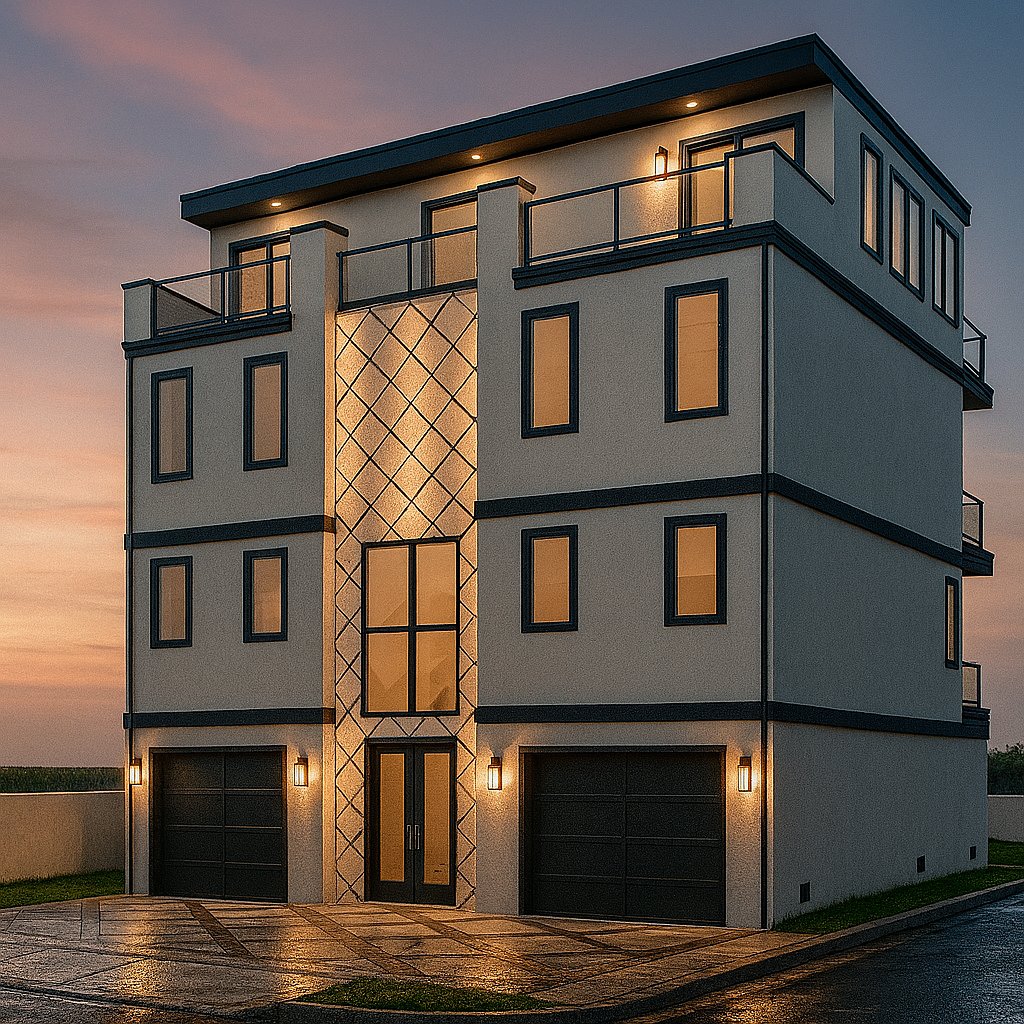
In a visually driven booking environment, presentation has a direct effect on demand. For a brand like Modern Fortress, this is where design-forward thinking can create a real edge, especially when a home combines strong architecture with rental-ready function.
That said, seasonal rental positioning in Little River works best when the design tells a clear story. Guests are usually buying access, comfort, and ease. They want to quickly understand the sleeping setup, kitchen quality, outdoor living, parking, and how the property connects to water, golf, beaches nearby, or event venues.
A polished modern home can absolutely stand out, but it should not feel abstract or over-styled in the listing. The strongest presentation balances architectural distinction with useful clarity.
How to Present the Listing
Your listing should help a guest picture the stay, not just admire the decor. That means leading with the features that drive booking decisions in this market.
Prioritize the Right Photos
Platform guidance from Vrbo and Airbnb consistently points to sharp, bright, clean, high-quality images. For Little River, the most effective images usually highlight:
- Water views or marina context
- Bedrooms and sleeping capacity
- Bathrooms
- Kitchen and dining areas
- Outdoor living spaces
- Parking
- Storage or gear-friendly areas
- Nearby access to boating, golf, or beaches
This is especially important for investors and second-home owners who want a property to feel turnkey and easy to market. Clear visuals reduce confusion and support stronger click-through and conversion.
Lead With the Stay Experience
The best listing descriptions usually answer a simple question: why this home, in this part of the market, for this kind of guest? In Little River, that often means positioning the property as a quieter north-end base for boating, fishing, golf, beach access, and seasonal events.
If the home has strong architecture, premium finishes, or a resort-style outdoor setup, those details should support the main use case rather than replace it. Beauty helps, but usefulness closes bookings.
How to Research Occupancy and Seasonality
If you want to position a property well, you need more than broad assumptions about tourism. The most useful public starting point for the area is the weekly lodging dashboard operated by Visit Myrtle Beach, which combines STR hotel data with KeyData vacation-rental data and updates every Friday.
Use that information as market context, not as a shortcut to pricing your home. A Little River property should be compared against relevant local comps by:
- Bedroom count
- Water or golf proximity
- Group-friendly layout
- Event-calendar timing
- Overall presentation quality
This matters because shorter booking windows and last-minute planning have influenced results in the market. If demand patterns are shifting, owners need to watch seasonality more closely and adjust based on real-time conditions instead of relying only on annual averages.
Know the Local Operating Framework
Little River is unincorporated, so county and state rules shape the operating framework. That distinction is important because the area does not have city government or city taxes, according to the Little River Chamber.
For transient accommodations outside city limits, Horry County requires a business license for businesses in unincorporated areas. The county also applies a 3% hospitality fee on gross proceeds from transient accommodations outside city limits.
South Carolina’s Department of Revenue states that accommodations rented for fewer than 90 consecutive days are subject to the state accommodations tax. The department also notes that direct-booking owners need a retail license, while owners who rent exclusively through a property management company or online travel company generally do not need their own retail license because the booking party typically remits the tax.
If you use a property manager, Horry County says owners should make sure the manager is collecting and remitting the hospitality fee. Before launching or repositioning a seasonal rental, confirm your setup matches the county and state framework that applies to your booking method.
A Smarter Strategy for Little River Rentals
If you want stronger seasonal performance in Little River, the winning strategy is usually not to chase every traveler. It is to match the property to the guest segments that already fit this location, then present the home with clarity and intention.
That means leaning into practical design, flexible sleeping capacity, boating or golf convenience, and sharp visual marketing. It also means treating seasonal demand as a year-round calendar strategy that includes summer, spring festivals, fall events, and sports-related travel.
For buyers and owners who value both design and rental function, that combination is where a property can separate itself. When architecture, layout, and listing execution work together, Little River can offer a compelling position inside the broader Grand Strand market.
If you are evaluating a Little River property for lifestyle use, seasonal income, or both, working with a team that understands design, construction, and rental positioning can help you make better decisions from the start. To explore opportunities or schedule a private conversation, connect with Jack Chazen.
FAQs
What drives seasonal rental demand in Little River, SC?
- Little River demand is shaped by boating, fishing, marina access, seafood tourism, golf travel, seasonal festivals like the Blue Crab Festival and ShrimpFest, and its location within the larger Grand Strand visitor market.
When is the strongest rental season for Little River properties?
- Summer remains a major booking period, with July typically stronger than June and August in regional lodging data, but spring and fall can also be important due to festivals, sports travel, and group demand.
What property features help a Little River rental compete?
- Flexible sleeping arrangements, multiple bathrooms, open living space, a full kitchen, laundry, outdoor seating, parking, and practical features for boaters or golfers tend to fit local demand well.
Do Little River short-term rentals follow city rules?
- Little River is unincorporated, so county and state rules apply rather than city rules or city taxes.
What taxes and licenses matter for Little River seasonal rentals?
- Horry County requires a business license for businesses in unincorporated areas and applies a 3% hospitality fee to transient accommodations outside city limits. South Carolina also applies accommodations tax to rentals of fewer than 90 consecutive days, with licensing requirements depending on whether you book directly or exclusively through a property manager or online travel company.
How should you compare Little River rental properties?
- Compare properties by bedroom count, proximity to water or golf, group-friendly layout, event timing, and listing quality rather than relying only on broad annual occupancy averages.