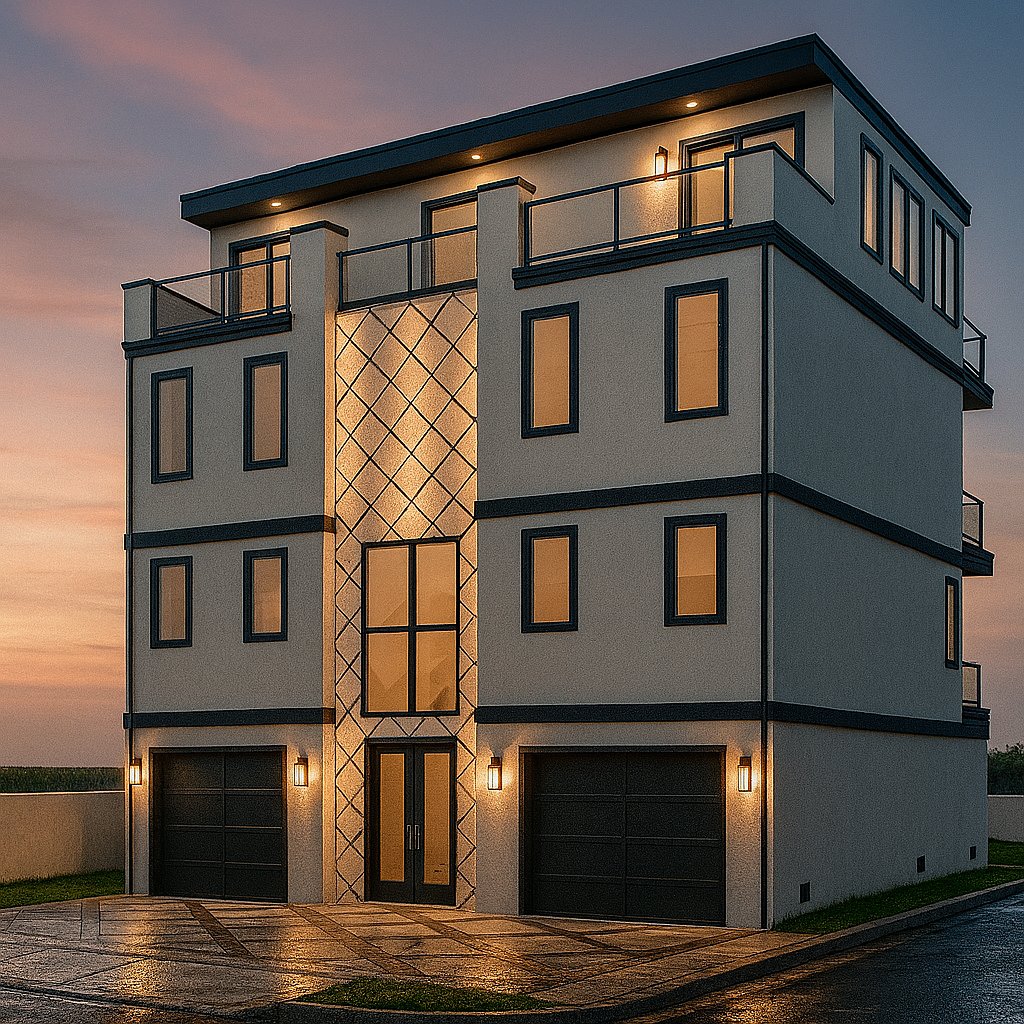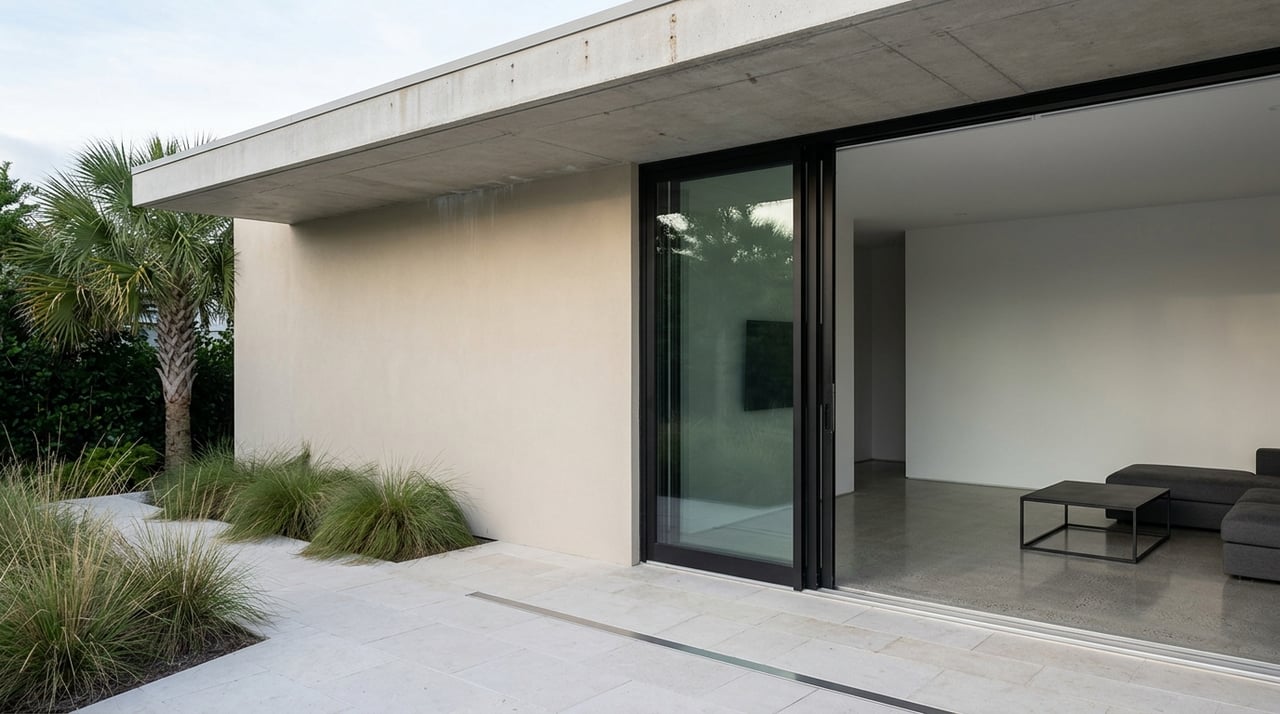
Wondering what makes an oceanfront home in Myrtle Beach feel truly modern, rather than simply newly updated? If you are shopping for a second home, an investment property, or a custom coastal build, that difference matters more than it might seem at first glance. The right design can shape how a home lives, how it handles the coast, and how it presents in a market driven by views, visitors, and durability. Let’s dive in.
What Modern Means on the Oceanfront
In Myrtle Beach, modern architecture is more than a color palette or a set of finishes. It is a design approach built around clean forms, broad openings, limited ornament, and a strong connection between the home and the site.
That matters on the oceanfront because the coast asks more of a home than curb appeal alone. A modern coastal house often reflects structure, layout, daylight, airflow, and how the building responds to views, weather, and elevation needs.
True Modern vs Cosmetic Updates
When you read listings, it helps to separate true modern architecture from cosmetic modernization. A home can have fresh paint, updated counters, and black-framed windows, yet still follow a very traditional beach-house layout and roofline.
A truly modern home usually feels intentional from the ground up. The plan, elevations, openings, and material choices work together in a cohesive way, rather than relying on surface-level updates to create a contemporary look.
Why Myrtle Beach Design Looks Different
Oceanfront homes in Myrtle Beach are shaped by more than style preferences. Horry County and the City of Myrtle Beach both identify coastal conditions such as flood exposure, dune systems, shoreline change, and regulated beachfront areas as major factors in how oceanfront property is developed.
The city’s comprehensive planning also notes the Coastal Protection Zone on oceanfront property seaward of the projected 50-year erosion control line. In practical terms, that means the best modern homes here are not designed as if the shoreline is static. They are designed with the understanding that the beach is a changing environmental condition.
Coastal Conditions Shape the Form
This is one reason many modern oceanfront homes have a more elevated, deliberate appearance. Their design often reflects flood standards, erosion concerns, and the need to respond carefully to the site.
In Horry County, construction and improvements over certain thresholds generally require permits in unincorporated areas. County flood rules also require elevation above base flood levels in A, AE, and VE flood zones, with standards that vary by zone.
Elevation Is Part of the Design
If a home is elevated, that is not simply a visual choice. It is often tied directly to flood requirements and coastal construction standards.
For buyers, this is an important mindset shift. On the oceanfront, some of the most defining architectural features, such as raised living areas, open lower levels, and simplified structural forms, are often tied to performance as much as aesthetics.
Features That Signal Modern Coastal Design
If you want to identify a home with real architectural intent, look beyond finishes and focus on the building itself. Modern oceanfront homes in Myrtle Beach often share a few clear traits.
Clean Massing and Simple Lines
Modern coastal homes tend to use crisp forms and restrained detailing. Instead of layered trim and decorative add-ons, the architecture relies on proportion, silhouette, and material contrast.
This cleaner approach is also practical on the coast. Fewer ornamental elements can mean fewer areas that collect wear in a salt-air environment.
Larger Openings and Better Views
Modern homes often use broad openings, walls of glass, and stronger indoor-outdoor flow. That design choice fits the oceanfront setting, where views and natural light are major value drivers.
At the same time, large openings need to be handled carefully. Design guidance from AIA notes that bigger east- and west-facing windows can increase glare and heat gain, which is why overhangs and shade features matter in a well-designed coastal home.
Open Plans That Live Well
Open planning is one of the strongest markers of modern residential design. It helps daylight move deeper into the home, supports natural ventilation, and makes living spaces feel calm and flexible.
For second-home buyers and investors, that openness also has practical value. It creates easier furniture layouts, cleaner sight lines, and a more photogenic interior presentation.
Sheltered Outdoor Living
A modern oceanfront home is not just about what happens inside. Well-designed sheltered terraces, covered outdoor rooms, and protected view spaces help extend daily living without giving up comfort.
That balance matters at the beach. You want access to light and air, but you also want usable shade and protection from glare and weather.
Materials Matter on the Coast
In Myrtle Beach, material choices are not just stylistic. They are part of how a home performs over time.
FEMA coastal guidance recommends elevated buildings on open foundations in coastal high-hazard areas and supports the use of flood-damage-resistant materials where flood exposure is a concern. FEMA also recommends corrosion-resistant connectors and fasteners in coastal environments because airborne salts can accelerate corrosion.
Durable Finishes Support the Modern Look
This helps explain why many modern oceanfront homes use simpler exterior skins and reduced decorative trim. The streamlined look often aligns with a practical goal: limiting maintenance issues and reducing failure points in a harsh coastal environment.
Inside, easy-clean surfaces and uncomplicated finishes are often a smart fit as well. AIA notes that some concrete finishes can be cost-competitive and easier to maintain, while open layouts can reduce material use and simplify how spaces are used over time.
What to Look For
When evaluating a modern oceanfront property, these features are often worth special attention:
- Elevated living areas where site conditions require them
- Durable cladding and trim selected for wind, flood, decay, and corrosion resistance
- Corrosion-resistant hardware and fasteners
- Flood-damage-resistant construction materials in vulnerable areas
- Large openings balanced by overhangs or shade control
- Simple flooring and surfaces that are easier to clean and maintain
- Sheltered terraces or outdoor rooms that extend the living space
Why Modern Homes Appeal in Myrtle Beach
Myrtle Beach has a distinct housing and tourism context, and that directly affects what buyers and investors value. The city’s comprehensive plan notes a large visitor-driven economy, hundreds of overnight lodging establishments, and more than 7,000 short-term individual property rentals under umbrella business licenses held by real estate companies.
That market reality helps explain why modern coastal homes often emphasize features that present well, function smoothly, and photograph beautifully. In a destination market, design can influence not only your day-to-day enjoyment of a property, but also how it competes for attention.
Strong Fit for Second-Home Buyers
If you are searching for a second home, modern architecture often offers a sense of calm, openness, and low-maintenance living. Clean plans, bright interiors, and connected outdoor spaces can make a property feel both relaxing and easy to use.
That can be especially appealing if you split time between multiple homes. A layout that feels turnkey and uncluttered is often easier to enjoy from day one.
Practical Appeal for Investors
For investors, modern homes can also line up well with Myrtle Beach’s tourism-driven demand. Open plans, durable finishes, and strong indoor-outdoor imagery tend to support listing presentation in a visual market.
The city also maintains a Short Term Rental Zone Map identifying addresses that allow visitor accommodations. That means design appeal is only part of the equation. Zoning fit matters too.
Value for Custom-Build Buyers
If you are planning a custom build, modern architecture offers a framework that responds directly to the site. Elevation, orientation, materials, and outdoor living spaces can all be shaped around oceanfront conditions rather than applied afterward.
That approach is especially valuable in a coastal setting where regulations, flood zones, and shoreline dynamics can influence both design and construction decisions.
A Simple Listing Checklist
When you are comparing homes, a few words in a listing can tell you a lot.
Phrases That Often Signal Real Modern Design
Look for terms such as:
- Open plan
- Large openings or wall of glass
- Sheltered outdoor space
- Elevated living level
- Clean massing
- Restrained material palette
- Daylighting and natural ventilation
- Indoor-outdoor flow
- Corrosion-resistant hardware
- Flood-damage-resistant construction
Phrases That May Only Signal Surface Updates
Be cautious when a listing leans only on language such as:
- Newer look
- Modern finishes
- Updated kitchen
- Fresh paint
Those upgrades can still add value, but they do not necessarily mean the home is architecturally modern. The bigger question is whether the structure, layout, elevation, and site response support the look being advertised.
What This Means for Your Search
If you are drawn to modern oceanfront architecture in Myrtle Beach, it helps to look at the whole property as a system. The best homes pair visual clarity with coastal performance, strong livability, and a realistic response to local conditions.
That is where a design-forward coastal property stands apart. It is not modern just because it looks current. It is modern because the architecture, materials, and planning all work together for this particular shoreline.
If you want help identifying architecturally distinct coastal homes, evaluating design quality, or exploring turnkey modern opportunities across the Grand Strand, Jack Chazen can help you navigate the market with a builder-minded, concierge approach.
FAQs
What defines modern oceanfront architecture in Myrtle Beach homes?
- Modern oceanfront architecture in Myrtle Beach is typically defined by clean forms, broad openings, limited ornament, open planning, indoor-outdoor connection, and a design response to the site, views, and coastal conditions.
Why are many Myrtle Beach oceanfront homes elevated?
- Many oceanfront homes in Myrtle Beach are elevated because Horry County flood rules require elevation above base flood levels in certain flood zones, and coastal construction guidance supports elevated buildings in high-hazard areas.
Do modern oceanfront homes in Myrtle Beach need flat roofs?
- No. A modern oceanfront home does not need a flat roof to read as contemporary. The more important factors are cohesive form, modern openings, material restraint, and a clear response to the site.
Why do modern Myrtle Beach homes often use simpler materials and interiors?
- Simpler materials and interiors often support easier maintenance, better durability, cleaner presentation, and practical performance in a salt-air, flood-aware coastal environment.
Are modern oceanfront homes a good fit for Myrtle Beach investors?
- They can be appealing to investors because Myrtle Beach has a tourism-driven market, and modern homes often offer durable finishes, strong photography, and layouts that work well for seasonal use and short-term rental presentation.
What should you check before buying a modern short-term rental home in Myrtle Beach?
- You should check both the design and the zoning context, including whether the property’s address aligns with the City of Myrtle Beach’s short-term rental zoning map if visitor accommodations are part of your plan.