Wondering how one stretch of shoreline can offer such different versions of coastal living? In North Myrtle Beach, that is exactly what makes the area stand out. If you are looking for a second home, a primary residence, or a property with vacation-rental potential, understanding how each neighborhood feels can help you choose with more confidence. Let’s dive in.
North Myrtle Beach Coastal Living at a Glance
North Myrtle Beach’s beachfront runs roughly from White Point Swash in Windy Hill to Hog Inlet in Cherry Grove. Across that shoreline, the city describes a mix of single-family homes, condominiums, apartments, small motels, large high-rise hotels, and commercial areas concentrated along Sea Mountain Highway, Main Street, 17th Avenue South, and 37th Avenue South.
That mix matters because “coastal living” here is not one fixed look or lifestyle. Instead, you get four historic beach communities, each with its own layout, rhythm, and built form: Cherry Grove, Ocean Drive, Crescent Beach, and Windy Hill. The result is a market where block-by-block differences can shape how you live, use, and enjoy a property.
The city also supports daily beach life in a very practical way. North Myrtle Beach manages more than 240 beach accesses and over 50 public parking locations, and it offers beach chair and umbrella rentals, beach-wheelchair rentals, and regular beach raking by area.
For buyers, that means lifestyle is shaped by more than just the home itself. Access, parking, maintenance, and the surrounding street pattern all play a real role in how convenient a neighborhood feels year-round.
Why Neighborhood Choice Matters
North Myrtle Beach planning documents describe these areas as historic beach communities and activity centers. The city’s planning approach emphasizes neighborhood or village centers within walking or biking distance, along with more connected and walkable street networks.
If you are comparing neighborhoods, this is a useful lens. You are not simply choosing between oceanfront and off-ocean properties. You are choosing between marsh views and beach parks, compact main-street energy, cottage-style residential blocks, or a smaller-scale mix of homes, rentals, and commercial frontage.
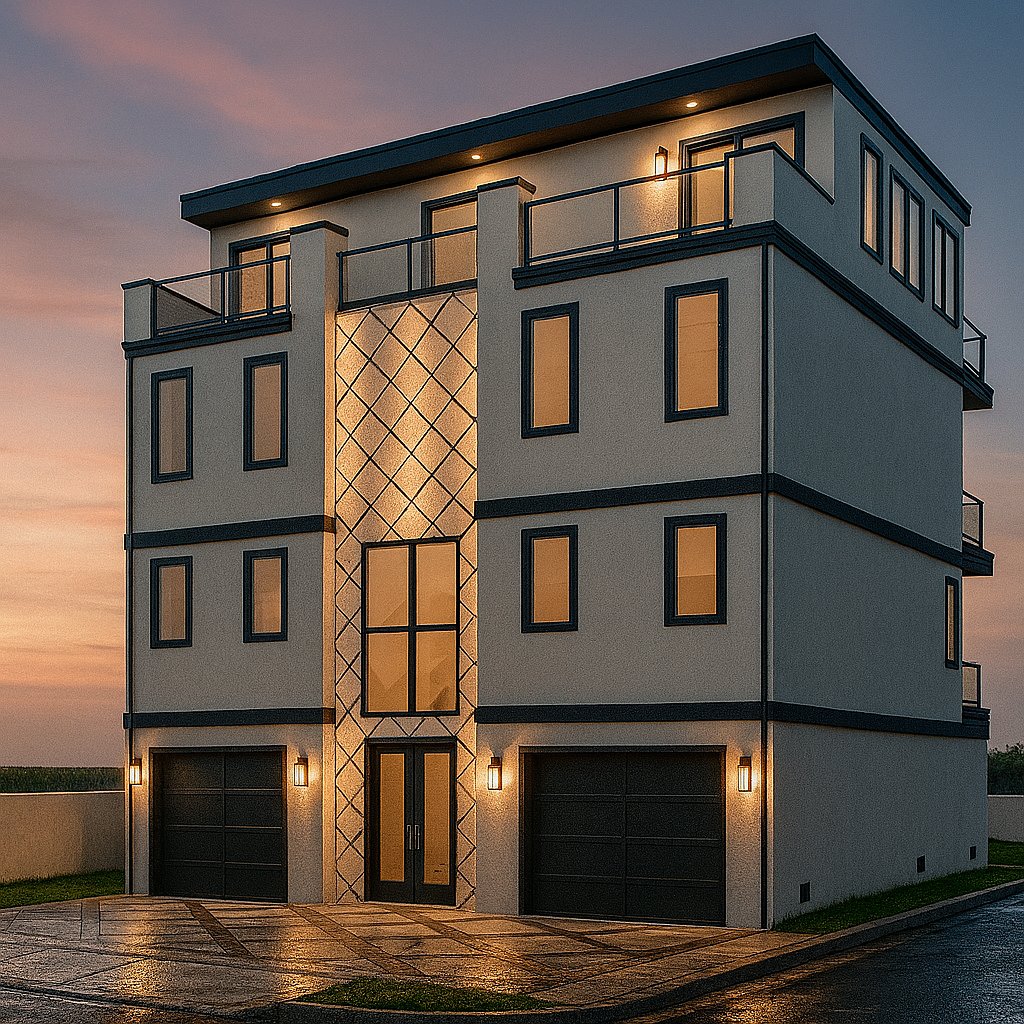
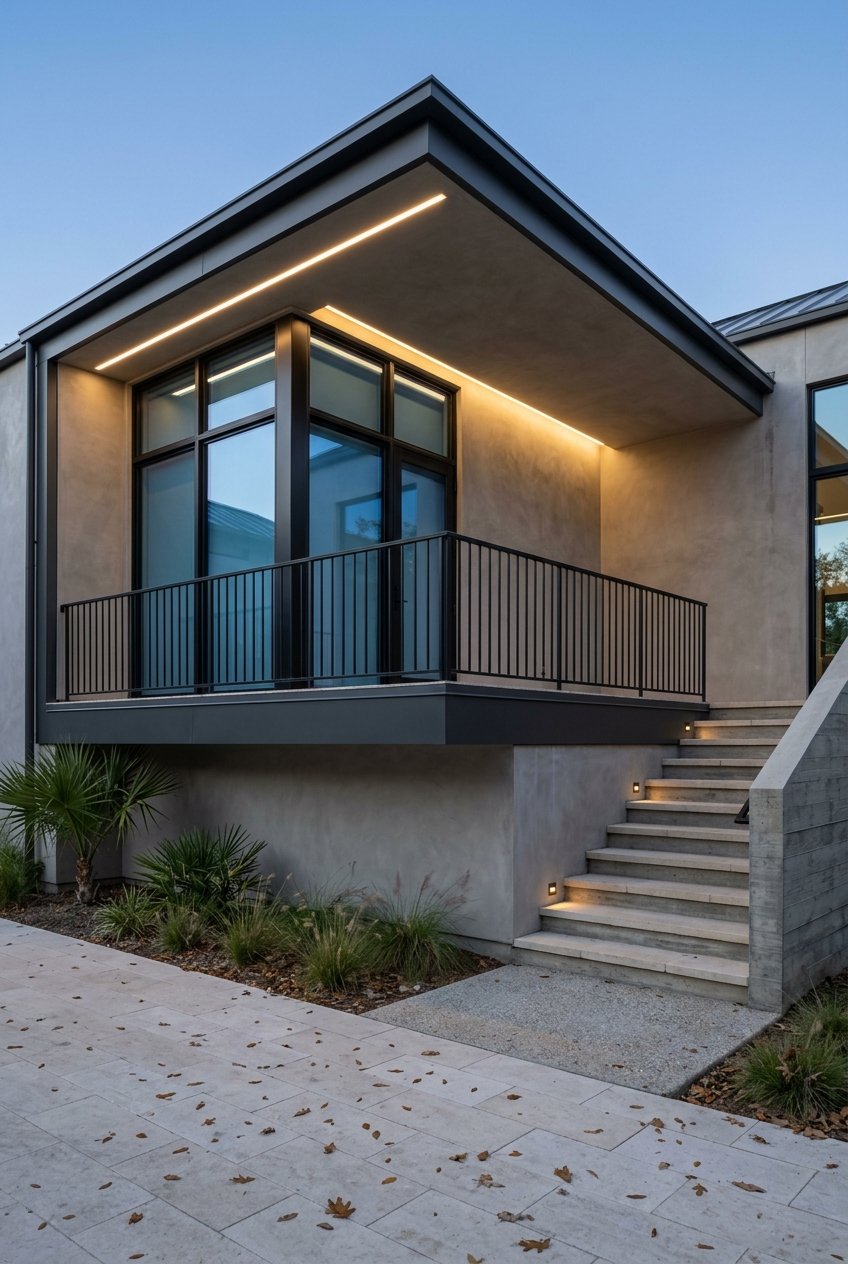
For design-minded buyers, that can be especially important. A modern coastal home can feel very different depending on whether it sits near an inlet-oriented setting, a denser oceanfront corridor, or a quieter residential pocket with more traditional setbacks.
Cherry Grove: Marsh, Inlet, and Open-Air Access
Cherry Grove offers one of the most distinct coastal settings in North Myrtle Beach. It is closely tied to the marsh and inlet, which gives the area a different feel from neighborhoods that center more heavily on storefronts or denser oceanfront redevelopment.
A big part of that identity comes from Cherry Grove Park and Boat Ramp. The city says the facility includes a two-lane boat launch, kayak launch, fishing pier, floating dock, restrooms, picnic shelter, and parking connected to Heritage Shores Nature Preserve.
Heritage Shores itself adds another layer to the neighborhood experience. The preserve covers seven acres and includes boardwalks and observation docks on an island extending into Cherry Grove Marsh.
On the ocean side, Cherry Grove Oceanfront Park provides ADA beach access, showers, restrooms, a lawn, benches, and picnic and common areas. The city also notes that off-site public parking is available near the Sea Mountain street end.
From a built-environment standpoint, the Sea Mountain Highway corridor is described by the city as auto-oriented commercial development with public beach access, limited street-facing residential, and some single-family homes converted to commercial use. That creates a more practical, mixed-use edge instead of a single, polished resort-strip identity.
For many buyers, that is part of Cherry Grove’s appeal. You get a neighborhood that connects boating, fishing, marsh views, nature access, and the beach in one area. If your version of modern coastal living includes water access beyond the ocean alone, Cherry Grove deserves a close look.
Ocean Drive: Main Street Energy by the Beach
Ocean Drive serves as the central main-street beach core in North Myrtle Beach. The city identifies the Ocean Drive Beach Commercial District on Main Street between Ocean Boulevard and Ash Street and describes it as a corridor of masonry storefronts shaped by decades of growth and redevelopment.
This creates a more active street scene than you will find in some other parts of town. Compact blocks, storefront activity, and beach access come together here in a way that feels civic as well as coastal.
The oceanfront form also reflects that layered history. According to the city’s planning documents, the first row was originally platted for single-family houses, but later redevelopment introduced larger buildings and ground-level parking forms, creating a denser oceanfront edge along parts of Ocean Boulevard.
Main Street is also used as a gathering space for community events. The Horseshoe at Main Street functions as an event area, and the city notes free public parking on both sides of Main Street east of Hillside Drive, with street sweeping twice per week.
If you want a coastal setting where you can move between the beach and a more active commercial core, Ocean Drive stands out. For buyers who value walkable access to events and a central location, this part of North Myrtle Beach offers a very specific kind of convenience.
Crescent Beach: Cottage Character and Residential Texture
Crescent Beach has a different tone. The city’s comprehensive plan identifies a potential Crescent Beach Historic District and describes the area through its large beach homes and servant quarters, along with typical two-story wood-frame houses from the 1950s featuring asbestos shingles, gable roofs, front porches, and wood awnings.
That history still shapes how the neighborhood reads today. The city notes that remaining first-row cottages are set back from the road with side-yard spacing, while later redevelopment brought larger buildings closer to the road.
In practical terms, Crescent Beach keeps a more residential seaside texture, even where newer construction is present. You notice that in the spacing, porch scale, and general rhythm of the streetscape.
The area also includes 18th & Edge Pocket Park, which the city describes as a small, quiet green space in the heart of Crescent Beach. Beach raking in Crescent Beach takes place on Tuesday and Wednesday from 28th Avenue South to 6th Avenue South.
For buyers drawn to understated coastal character, Crescent Beach can feel especially appealing. It offers a neighborhood identity shaped more by homes and residential form than by a heavy commercial presence.
Windy Hill: Mixed Coastal Living With a Local Feel
Windy Hill blends neighborhood housing, commercial frontage, and beachfront hospitality. The city describes the 37th Avenue South focus area as the old main street of Windy Hill, a walkable 0.44-mile corridor with one-to-three story houses and apartments, rentals and owner-occupied homes, neighborhood commercial near U.S. 17, and dense beachfront hospitality along Ocean Boulevard.
That mix gives Windy Hill a flexible, lived-in character. It can appeal to buyers who want beach proximity but also want a neighborhood that feels connected to everyday residential life.
The city’s planning framework also treats Windy Hill as part of its historic main-street and activity-center strategy, including flexible parking and redevelopment tools around the 37th Avenue South and Seaview Street area. That points to an area where older patterns and newer investment can overlap.
Yow Park adds a clear residential anchor. The city says this 1.5-acre neighborhood park serves surrounding residential areas and sits five blocks from Highway 17 and four blocks from the ocean, with restrooms, a playground, a picnic area, and a half basketball court.
Beach raking in Windy Hill runs on Monday from 48th Avenue South to 33rd Avenue South. If you are looking for a North Myrtle Beach neighborhood with a smaller-scale blend of residential and commercial uses, Windy Hill is often one of the most balanced options.
Shared Features Across All Four Areas
While each neighborhood has a distinct identity, North Myrtle Beach also offers a shared public-beach system that connects the whole shoreline. Frequent access points, public parking, beach maintenance, and beach-use amenities create consistency across the city.
That consistency can be valuable whether you plan to use a home personally, seasonally, or as part of a short-term rental strategy. The neighborhood experience changes from place to place, but the citywide beach infrastructure helps support usability across all four areas.
North Myrtle Beach also states that short-term rentals are part of the tourism economy, but they require a business license and rental-accommodations-tax compliance. If rental performance is part of your property goals, understanding those local requirements is an important part of evaluating the right fit.
Choosing the Right North Myrtle Beach Neighborhood
The best neighborhood usually comes down to how you want coastal living to function day to day. Some buyers want marsh access and boating amenities. Others want a main-street setting, a more residential cottage feel, or a mixed neighborhood with strong beach access and practical convenience.
A simple way to think about it is this:
- Cherry Grove offers marsh and inlet character with strong boating, fishing, and nature access.
- Ocean Drive brings main-street energy, event space, and a central beach-commercial core.
- Crescent Beach leans into cottage-era form and a more residential seaside streetscape.
- Windy Hill blends neighborhood housing, commercial frontage, and beachfront hospitality.
For modern buyers and investors, this variety creates opportunity. You can match architecture, lifestyle, and use case more closely to the setting instead of treating North Myrtle Beach as one uniform beach market.
If you want help narrowing down which North Myrtle Beach neighborhood best fits your goals, connect with Jack Chazen for a private tour and a more tailored look at modern coastal opportunities across the market.
FAQs
What makes Cherry Grove different from other North Myrtle Beach neighborhoods?
- Cherry Grove stands out for its marsh and inlet orientation, plus access to the Cherry Grove Park and Boat Ramp, Heritage Shores Nature Preserve, and Cherry Grove Oceanfront Park.
What is Ocean Drive known for in North Myrtle Beach?
- Ocean Drive is known for its Main Street commercial core, civic gathering spaces like the Horseshoe, beach access, and a denser oceanfront pattern in some areas.
What type of housing character defines Crescent Beach?
- Crescent Beach is known for a cottage-and-beach-home character, with historic references to two-story wood-frame houses, front porches, side-yard spacing, and a more residential streetscape.
What is the lifestyle feel in Windy Hill?
- Windy Hill offers a mix of neighborhood housing, rentals, owner-occupied homes, commercial frontage near U.S. 17, and beachfront hospitality along Ocean Boulevard.
How many beach access points does North Myrtle Beach provide?
- The city says North Myrtle Beach manages more than 240 beach accesses and over 50 public parking locations along the beach system.
Are short-term rentals allowed in North Myrtle Beach?
- The city states that short-term rentals are part of the local tourism economy, but they require a business license and compliance with rental-accommodations-tax requirements.