Dreaming of a second home on the South Carolina coast, but not the constant pace of the main resort strip? Little River offers a different version of coastal ownership, one shaped by marinas, waterfront dining, fishing access, and a slower day-to-day rhythm. If you want a place where you can spend more time on the water and less time navigating the busiest parts of the Grand Strand, this guide will help you see why Little River stands out. Let’s dive in.
Why Little River Appeals
Little River sits on the north end of the Grand Strand and is described by Visit Myrtle Beach as the oldest of the 14 Grand Strand communities. The same source highlights its slower pace, with activities centered around deep-sea charters, fishing trips, and marina life rather than nonstop entertainment.
That distinction matters if you are shopping for a second home. Myrtle Beach is often positioned as the entertainment hub of the Grand Strand, while Little River offers a more laid-back coastal setting with practical water access. For many buyers, that creates a better fit for weekend escapes, seasonal use, and a more relaxed ownership experience.
Marina Life Shapes Daily Living
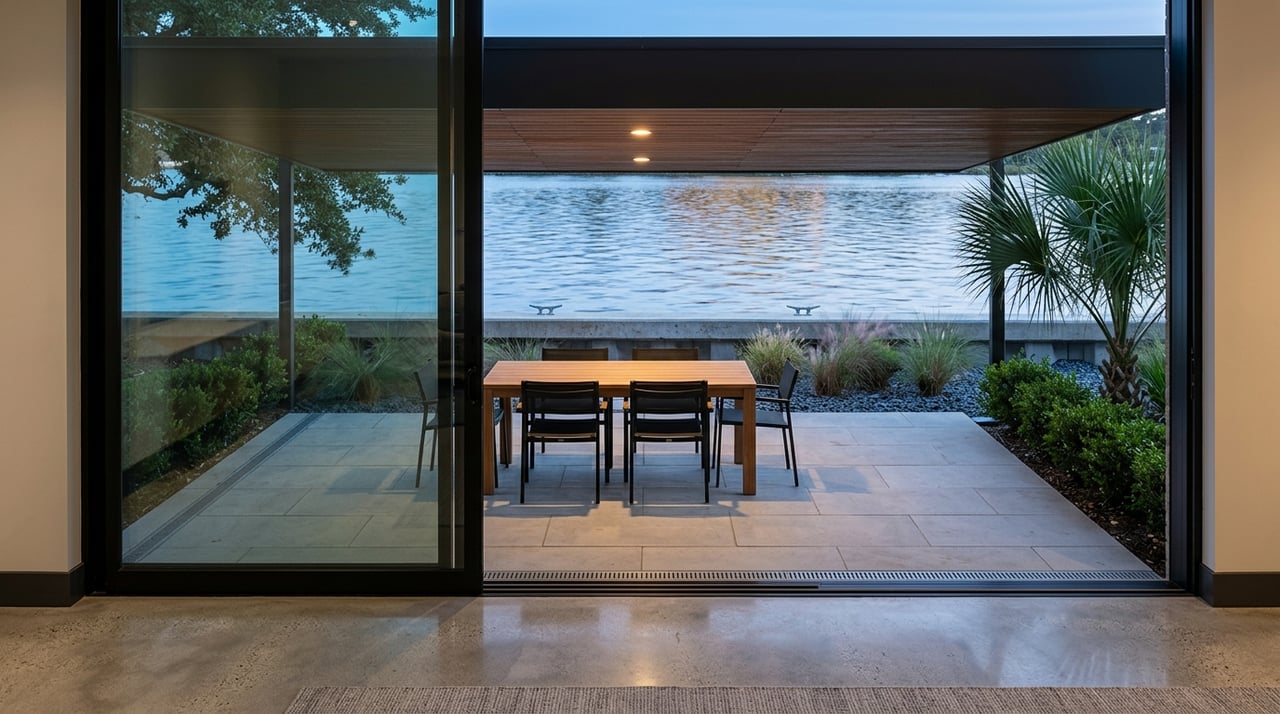
In Little River, the waterfront is not just scenic. It is functional. The area has a visible marina network that supports boating, storage, launching, and service, which can make ownership more convenient if you plan to spend real time on the water.
The Little River Chamber describes Grande Harbour Marina as a full-service dry-stack marina with indoor and outdoor storage, ethanol-free fuel, and on-site repair support. Visit Myrtle Beach also points to NMB RV Resort and Dry Dock Marina on the Intracoastal Waterway in Little River, with watercraft rentals, dry-dock storage, wet slips, and a boat launch.
For owners who enjoy paddling as much as power boating, the South Carolina Department of Natural Resources paddling trail includes the Town of Little River waypoint on the Intracoastal Waterway. That reinforces a simple point: in Little River, the waterway is part of everyday recreation, not just a backdrop.
Boating Convenience Matters for Second Homes
Second-home buyers often prioritize ease. A location with nearby storage, launch access, maintenance services, and rental options can simplify how you use the property, especially if you split time between residences.
That convenience also supports flexibility. You may want one trip centered on offshore fishing, another around a waterfront dinner, and another around a quiet morning on the Intracoastal Waterway. Little River’s marina ecosystem supports all three.
Fishing Is Part of the Lifestyle
Fishing is woven into Little River’s identity, from charter outings at sunrise to shorter party-boat cruises. If that sounds like your kind of second-home routine, it helps to know the practical rules before you buy.
According to the South Carolina Department of Natural Resources license FAQs, a recreational saltwater fishing license is required for saltwater fishing, even from shore. SCDNR also notes that anyone age 16 or older fishing from a boat must have a license in their possession unless an exception applies, such as fishing from a licensed charter vessel or licensed pier.
What This Means for Casual Owners
If you picture yourself fishing occasionally from a dock, on your own boat, or during casual visits, licensing is part of the planning process. It is not difficult, but it is important.
For some second-home owners, charter trips may offer the simplest path. For others, owning near marina services may make it easier to keep a boat ready for spontaneous weekends on the water.
Waterfront Dining Extends the Experience
A second home is not only about the property itself. It is also about what your time feels like when you are there. In Little River, the waterfront dining scene adds another layer to that lifestyle.
Visit Myrtle Beach’s seafood guide highlights several local waterfront and seafood destinations, including Clark’s Seafood & Chop House, Crab Catchers, Capt. Juel’s Hurricane Restaurant, Filet’s Waterfront, and Snooky’s on the Water. The tourism site’s 2024 developments roundup also highlighted Blue Drum Waterfront Restaurant in Little River.
That matters for second-home owners because it gives the area year-round appeal beyond beach time. You can spend the afternoon on the water and transition naturally into dinner with a marina or waterway view, without needing to head into a busier resort corridor.
Festivals Keep the Waterfront Active
Little River’s waterfront is not only active in the summer peak. Seasonal events help keep the area lively in spring and fall, which is especially attractive if you plan to use a second home during shoulder seasons.
The Historic Waterfront hosts the Blue Crab Festival and ShrimpFest, bringing seafood, live music, and vendors to the water’s edge, according to Visit Myrtle Beach. For many owners, that means your second-home calendar can include more than beach weekends alone.
Shoulder Seasons Can Be a Sweet Spot
Spring and fall often appeal to second-home buyers who want milder weather, easier dining reservations, and a more relaxed coastal pace. Little River’s event calendar helps support that rhythm.
If you prefer trips that feel active but not crowded, this can be one of the area’s strongest advantages.
Quiet Recreation Beyond the Marina
Not every day in a coastal town needs to revolve around a boat slip or dock. Little River also offers quieter outdoor options that support its slower identity.
Horry County describes Vereen Memorial Historical Gardens as a more than 115-acre site along the Intracoastal Waterway with about three miles of trails and boardwalks through forest and marshland. For second-home owners, that adds balance.
You can spend one day offshore and another walking shaded trails near the water. That variety is part of what makes Little River feel like a livable coastal town rather than a one-note resort setting.
What Homes Near the Water Look Like
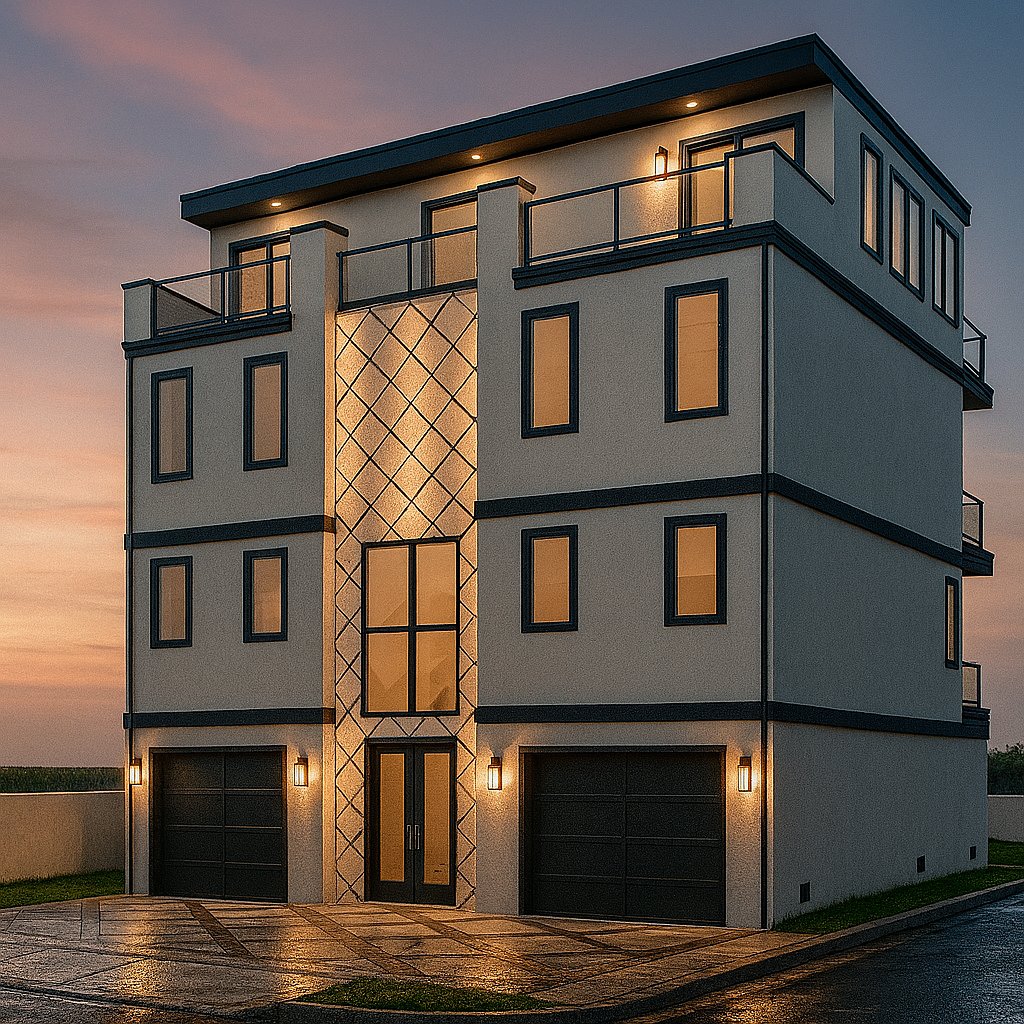
If you are starting your search, it is helpful to know that Little River’s near-water housing stock is mixed. You are not looking at a market made up only of large detached waterfront homes.
The research snapshot shows a blend of waterfront homes, condos, and townhouses in the broader Little River market, even though exact counts vary by platform and update cycle. The bigger takeaway is consistent: buyers should expect a range of ownership options, from detached homes to lower-maintenance condo and townhouse-style properties.
Low-Maintenance Options Stand Out
For second-home buyers, that mix can be a real advantage. Water-adjacent ownership in Little River often comes with HOA-managed amenities and easier upkeep compared with a fully custom standalone coastal property.
That can fit buyers who want to arrive, enjoy the waterfront lifestyle, and spend less time managing the home between visits. It can also appeal to owners who are thinking about convenience, lock-and-leave flexibility, or a more streamlined coastal footprint.
Climate Supports a Long Use Season
One reason Little River works well for second-home ownership is that the climate supports more than a short summer window. Nearby North Myrtle Beach climate normals from the National Weather Service show average highs of 55.7°F in January, 71.8°F in April, 84.8°F in June, 87.6°F in July, and 75.6°F in October.
Those temperatures point to a long boating and outdoor season, especially in spring and fall. The same records also show wetter summer and early-fall months than winter, which is worth keeping in mind as you plan how and when you will use the property.
Best Times to Enjoy Little River
Many second-home owners may find the shoulder seasons especially appealing. Spring offers warming temperatures and active waterfront life, while fall can bring comfortable weather and seasonal events.
If your goal is flexible coastal use across much of the year, Little River checks an important box.
Storm Planning Is Part of Coastal Ownership
Every waterfront lifestyle comes with practical responsibilities. In coastal South Carolina, that includes understanding hurricane season and local evacuation planning.
NOAA states that the Atlantic hurricane season runs from June 1 through November 30. Horry County’s Know Your Zone guidance notes that Zone B includes areas east of Highway 17 from Little River to Atlantic Beach, and the county also advises that flood-prone areas along waterways should consider evacuation regardless of zone designation.
For a second-home owner, that means storm readiness should be part of the ownership plan from day one. It does not reduce the appeal of the lifestyle, but it does mean you should approach the purchase with clear seasonal planning in mind.
Why Little River Works for Modern Buyers
Little River appeals to second-home buyers who want coastal access in a setting that feels more relaxed than the central resort corridor. Its marina network, fishing culture, waterfront dining, seasonal festivals, and quieter outdoor spaces create a lifestyle that feels active without feeling overprogrammed.
If your ideal second home includes easy boating access, a more measured pace, and a mix of low-maintenance ownership options near the water, Little River deserves a serious look. And if you want guidance on finding a coastal property that aligns with your lifestyle goals, design preferences, and long-term plans, Jack Chazen can help you explore the right opportunities across Little River and the Grand Strand.
FAQs
What makes Little River different from Myrtle Beach for second-home buyers?
- Little River offers a slower-paced coastal setting focused on marinas, fishing, and waterfront experiences, while Myrtle Beach is known for heavier entertainment activity and resort-style programming.
What kind of boating access does Little River offer for homeowners?
- Little River has a marina network with services such as dry-stack storage, wet slips, fuel, repairs, rentals, and boat launch access, which can make second-home use more convenient.
Do you need a fishing license to fish in Little River, South Carolina?
- Yes, SCDNR says a recreational saltwater fishing license is generally required for saltwater fishing, including from shore, with certain exceptions such as licensed charter vessels and licensed piers.
What types of homes can you expect near the water in Little River?
- Buyers should expect a mix of detached homes, condos, and townhouse-style properties rather than only large single-family waterfront estates.
Is Little River a good place for spring and fall second-home use?
- Yes, nearby climate normals show mild and pleasant temperatures in spring and fall, and the waterfront stays active with dining, recreation, and seasonal events during those shoulder seasons.
What storm planning should second-home owners in Little River consider?
- Owners should understand Atlantic hurricane season timing, review Horry County evacuation zone guidance, and plan ahead for properties near waterways or flood-prone areas.