Salt, sun, and summer storms can be tough on coastal homes. If you love clean, modern design but want real durability in Myrtle Beach, you are not alone. The good news is you can have both when you choose materials and details that are proven for coastal life. In this guide, you will learn which finishes work best here, how to detail them for long service, and the simple upkeep rhythm that keeps your home looking new. Let’s dive in.
Why coastal materials matter in Myrtle Beach
Myrtle Beach sits in a humid subtropical zone with high UV, frequent humidity, and salt aerosol. Summer thunderstorms and hurricane season bring windborne debris and heavy rain. These conditions speed up corrosion, fade weak finishes, and push water where it should not go.
Local building codes and standards account for this. Floodplain rules follow FEMA flood maps, and wind and debris resistance align with adopted IRC and IBC provisions. Impact testing standards like ASTM E1886 and E1996, energy ratings from NFRC, and guidance from the FEMA Coastal Construction Manual help you and your builder match products to local design pressures and exposure.
Fiber cement cladding: modern look, coastal sense
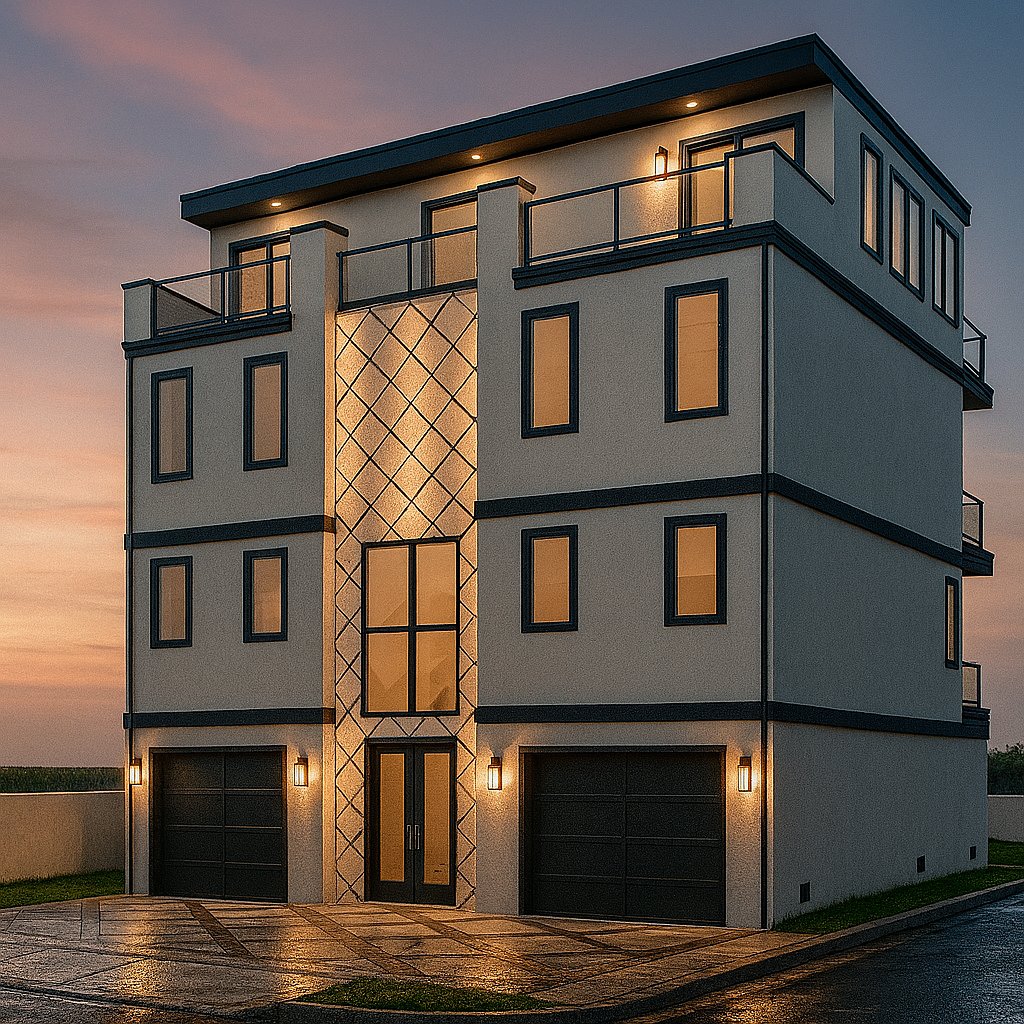
Fiber cement boards and panels pair well with contemporary elevations. They offer stability, resist rot and insects, and hold paint better than many alternatives in a wet climate. When finished with quality coatings, they stand up well to UV and salt.
What matters most is detailing. A ventilated rainscreen or drainage gap behind the siding lets the wall dry. Corrosion‑resistant fasteners and flashings are essential in salt air. Penetrations, window heads, and transitions need proper flashing to keep water out of the wall system.
Plan on a simple care routine. Rinse with fresh water and mild detergent, especially in high‑spray areas. In coastal exposure, periodic rinsing every few months reduces salt buildup. Expect repaint intervals that trend shorter near the beach. Inspect caulking and seals annually and after major storms.
Pros: strong coastal durability, modern profiles, fire resistance in many products. Cons: heavier boards require correct support, finish life depends on UV and salt, and performance relies on proper installation.
Impact‑rated glazing: light, safety, and comfort
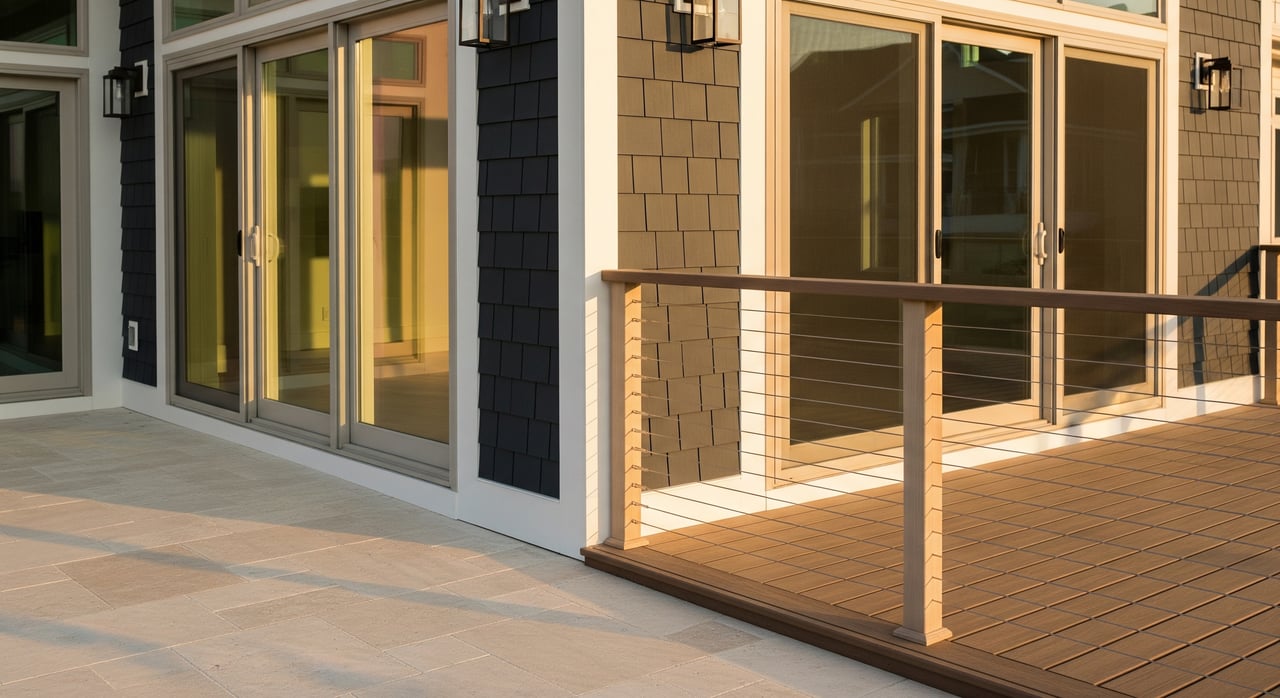
Impact windows and sliding doors use laminated glass and reinforced frames tested to withstand debris and cyclic pressure during tropical events. For coastal builds, this is about more than safety. Properly specified glazing helps protect the envelope from water intrusion in wind events and improves comfort and sound control year‑round.
Look for products tested to ASTM E1886 and E1996. Verify structural ratings and anchoring that meet local design pressures, and check NFRC energy ratings to balance daylight with solar heat control. Low‑e coatings, the right SHGC, and thermal breaks in frames reduce cooling load and condensation.
Maintenance is straightforward. Keep glass and frames clean with fresh water. Check perimeter sealant and glazing beads annually and after storms. If you see seal failure or delamination at edges, schedule repairs promptly.
Pros: storm protection without temporary shutters, quiet interiors, sleek modern facades. Cons: higher upfront cost and the need for shading strategies on large glass areas.
Porcelain pavers: durable outdoor living
Exterior‑rated porcelain pavers bring a crisp, contemporary look to terraces, roof decks, and walkways. Their very low water absorption resists staining and salt intrusion, and colors remain stable in strong sun. For wet areas, choose textured finishes with good slip resistance.
Installation quality drives performance. Pedestal systems on roof decks create drainage and airflow, which helps manage heat and water. On-grade or adhered installations need sound subgrade prep, slope, and exterior‑rated adhesives and grouts. Use edge restraints and expansion joints to accommodate movement.
Upkeep is minimal. Sweep, rinse, and occasionally power wash at low pressure to remove sand and salt. Inspect joints once a year and refresh joint sealants if they show wear in coastal exposure.
Pros: modern aesthetics, stain resistance, long service life. Cons: precise installation required and heavier handling compared with some alternatives.
Composite decking: clean lines, low maintenance
Composite or polymer deck boards resist rot, insects, and moisture, which makes them well suited to ocean air. Modern finishes reduce fading and staining, and the consistent profile supports the minimalist lines common in contemporary homes.
Plan for thermal movement with proper spacing and manufacturer‑approved clips or fasteners. Provide ventilation beneath the deck and choose corrosion‑resistant hardware. In full sun, lighter colors and shade elements help keep surfaces more comfortable underfoot.
Routine care is simple. Sweep regularly, rinse with fresh water, and complete a deeper clean annually with approved cleaners. Remove organic debris promptly to avoid stains in shaded areas.
Pros: low maintenance, clean modern look, rot resistance. Cons: higher upfront cost and potential for heat buildup in direct sun.
Details that make or break performance
Strong materials are only half the story. Coastal performance depends on how systems work together.
- Rainscreen and drainage: A ventilated drainage plane behind cladding helps walls dry in a humid climate.
- Fasteners and connectors: Choose corrosion‑resistant metals, with marine‑grade stainless steel preferred near salt spray. Standard zinc coatings often do not last at the beach.
- Sealants: Use exterior sealants formulated for UV and salt exposure. Plan on replacement cycles that can range from five to ten years depending on conditions.
- Thermal and moisture movement: Allow for expansion and contraction in porcelain, composites, and fiber cement. Follow spacing and joint guidelines from each manufacturer.
- Flashing integration: Roof‑to‑wall transitions, openings, and deck connections are common failure points. Continuous flashings should tie into the water‑resistive barrier.
- Energy and solar control: Large glass is part of the modern look. Combine low‑e coatings with overhangs, screens, or operable shading to reduce heat gain.
- Elevated construction and flood resilience: In mapped flood zones, elevate as required and use flood‑resistant materials at or below the design flood elevation in line with FEMA guidance.
Simple coastal maintenance rhythm
A consistent, light‑touch rhythm will preserve finishes and protect value.
- After major storms: Inspect glazing for damage, rinse salt from exterior surfaces, and check deck fasteners and supports.
- Monthly during high exposure: Rinse glass, cladding, railings, and decks with fresh water to remove salt and sand.
- Quarterly: Inspect caulking around windows and doors, look for minor sealant failures, sweep decking gaps, and rinse porcelain pavers.
- Annually: Deep clean composite decking per manufacturer instructions, inspect painted finishes for chalking or salt staining, and check flashing, gutters, and downspouts for blockage or corrosion.
- Every 5 to 10 years: Recoat fiber cement if finish wear appears and renew major exterior sealants as needed. Refresh grout or joint seals on porcelain pavers if they show failure.
- Ongoing: Keep product data, warranties, and installation details in a simple file and log post‑storm cleanup and repairs for insurance and resale.
Buyer and owner checklist for Myrtle Beach
If you are buying or planning a build in Horry County, take a systems approach.
- Verify FEMA flood zone and local elevation requirements. Ask about any prior storm damage and recent resilience upgrades.
- For new builds, request product test reports for impact glazing and written installation details for rainscreens, flashing, and fasteners. Confirm engineering for local wind pressures.
- For renovations, prioritize envelope upgrades that reduce maintenance and improve resilience: impact windows and doors, continuous water‑resistive barrier, correct flashing, and corrosion‑resistant connectors.
- Select local contractors with coastal experience. Ask for references, examples of past coastal projects, and familiarity with Horry County permitting and code.
- When choosing finishes, review manufacturer guidance for coastal exposure and confirm that warranties apply in salt‑air environments.
Design value meets rental performance
Modern, low‑maintenance materials are not just about peace of mind. They also support better guest experiences and stronger visuals if you plan to operate as a short‑term rental. Crisp cladding lines, large impact‑rated glass, and durable outdoor spaces show beautifully in photos and reduce the downtime that comes with frequent touch‑ups.
If you are weighing upgrades for an income strategy, focus first on the envelope and outdoor living surfaces. These areas drive guest satisfaction and minimize surprise maintenance costs during peak season.
Ready to build or upgrade
You deserve a coastal home that looks sharp, performs in salt and sun, and fits your lifestyle or rental goals. If you want a clear plan for fiber cement siding, impact glazing, porcelain pavers, and composite decking that suits your lot and exposure, our team can help you align design, materials, and code compliance from day one.
For a materials walk‑through, a private tour of current modern builds, or a conversation about your project, reach out to Jack Chazen. We will help you move from concept to keys with confidence.
FAQs
What makes materials “coastal grade” in Myrtle Beach?
- Products and assemblies designed to handle salt, high humidity, UV, and windborne debris, with corrosion‑resistant fasteners, robust flashing, and impact‑rated glazing.
Are impact windows required for Myrtle Beach homes?
- Requirements depend on local code adoption and your site’s design pressures; impact‑rated glazing is widely used for safety, debris resistance, and water protection in storms.
How often should I repaint fiber cement near the ocean?
- Many factory finishes are warranted for long periods, but coastal UV and salt often make five to ten years a practical repaint window based on exposure.
Do porcelain pavers hold up on roof decks?
- Yes, when exterior‑rated pavers are installed on proper pedestal systems with drainage, edge restraints, and movement joints to accommodate thermal changes.
Will composite decking fade or get hot in Myrtle Beach sun?
- Modern composites resist fading better than older products, but all dark surfaces can get hot; choose lighter colors and add shade for comfort.
What fasteners should I use near salt spray?
- Marine‑grade stainless steel is preferred for many exterior applications; coated fasteners may not last as long in heavy salt exposure.
What maintenance should I do after a tropical storm?
- Rinse salt from exterior surfaces, inspect windows and doors for seal damage, and check deck hardware and flashing for movement or corrosion.