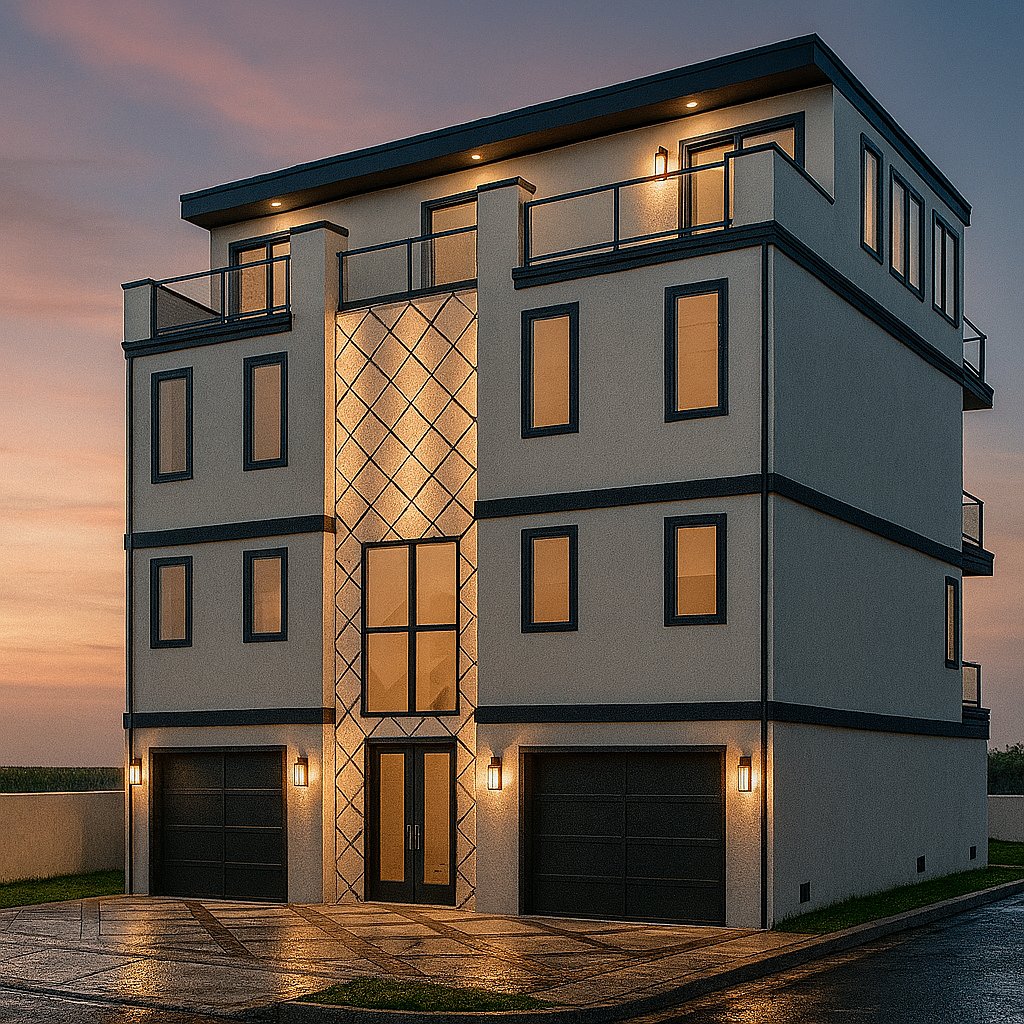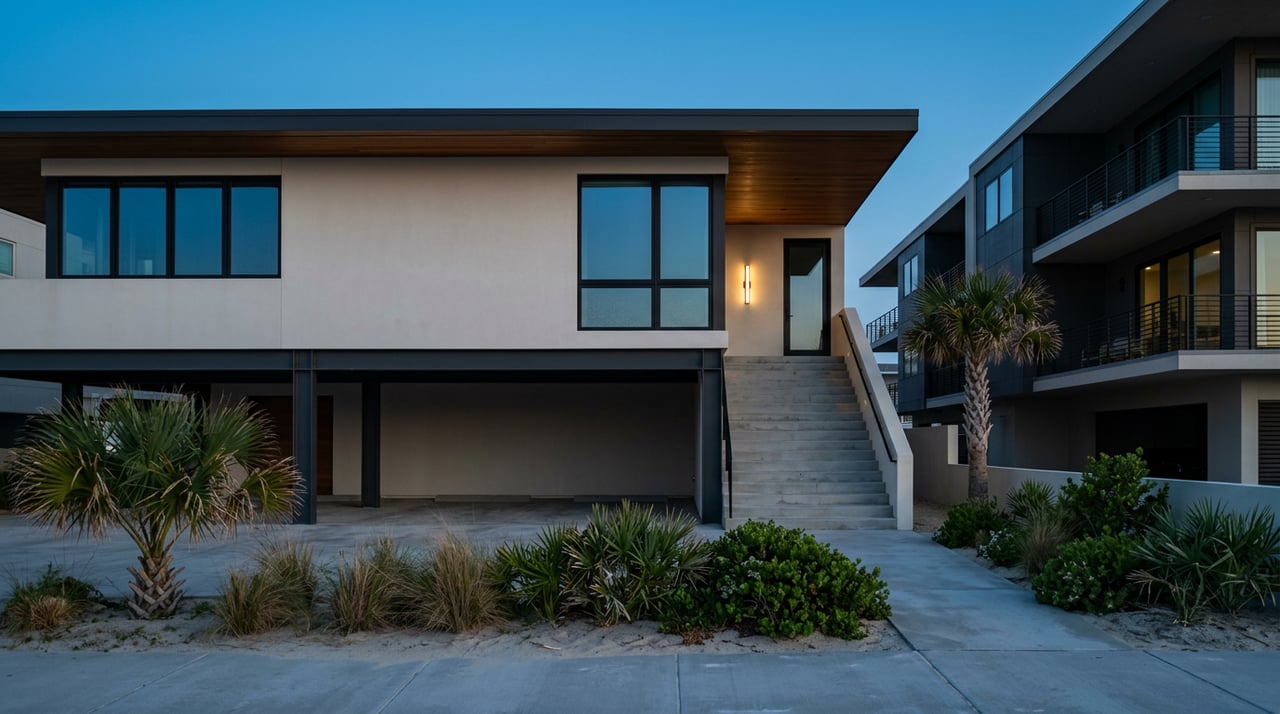
You want the ocean at your doorstep. The question is whether an oceanfront single-family home or an oceanfront condo in Myrtle Beach fits you best. Both offer incredible views and strong vacation appeal, yet they perform very differently on maintenance, insurance, financing, and rental rules. In this guide, you’ll see how each option stacks up so you can match your goals to the right property and move forward with confidence. Let’s dive in.
Demand and seasonality on the Grand Strand
Myrtle Beach is one of the country’s most visited beach destinations, with a large, seasonal visitor base that drives vacation rental demand and underpins oceanfront values. Performance is seasonal. Market summaries put average short-term rental occupancy in the mid‑50 percent range across the year, with summer peaks often above 80 to 90 percent for well‑located listings. That swing has real planning value if you intend to rent your place. You can use those benchmarks as a starting point while you refine assumptions by micro‑location and property class. Market summaries for beach rentals are a helpful yardstick.
Oceanfront condos: convenience with HOA structure
Condos make ownership simpler by pushing most exterior obligations to the association. Typical HOA coverage includes the building envelope, roof, elevators, common HVAC, lobbies and hallways, pools, landscaping, garbage, and common area insurance. That is why oceanfront towers with elevators and amenities often carry higher dues. For a quick refresher on what HOAs usually handle, see this HOA fee overview.
HOA health matters. Large building projects such as elevator replacements, roof work, or structural repairs are paid by the association. If reserves are thin or litigation is pending, owners can face special assessments and buyers can face tougher financing. Lenders review condo projects for owner‑occupancy, reserve funding, master insurance, and more. If a project falls short, it can be labeled non‑warrantable, which narrows loan options and raises down payments and rates. Review the Fannie Mae condo project requirements with your lender early.
Insurance is different for condos, too. Many oceanfront buildings carry a Residential Condominium Building Association Policy that insures the structure. As a unit owner, you still need coverage for interiors and contents, and you should confirm the association’s limits before you assume anything. Learn how an RCBAP works from FEMA’s guidance.
Oceanfront homes: privacy, land, and full control
A single-family oceanfront home gives you space, privacy, and land control. You also take on the whole property. Expect more frequent exterior painting or finish work, corrosion control for metals, and ongoing attention to hurricane hardening. Elevated foundations on pilings and long coastal driveways can add complexity over time.
If your lot uses a seawall or bulkhead, plan for periodic work. Industry ranges for seawalls vary widely, sometimes from a few hundred to over a thousand dollars per linear foot, depending on material and site conditions. Permitting and access can add to the bill. See a practical overview of shoreline structures from a coastal contractor at ShoreProtect.
Insurance on the coast: what to expect
Flood coverage is separate from standard homeowners insurance. In a condo building, the association may carry flood coverage for the structure through an RCBAP, while you insure interiors and contents. In a single‑family home, you would secure a dwelling flood policy through the NFIP or a private market option.
Wind and hail coverage can also be different at the coast. Some oceanfront addresses may need to use the South Carolina Wind & Hail Underwriting Association if private carriers do not offer wind coverage. Expect higher wind and flood costs alongside specialized deductibles on the oceanfront. Get a quick primer on the coastal wind pool from the South Carolina Wind & Hail Underwriting Association.
Bottom line: never estimate premiums off a friend’s policy. Confirm quotes for homeowners or HO‑6, flood, and wind with a coastal broker before you write an offer.
Financing and warrantability: why your loan hinges on the building
Condo projects must clear lender reviews for things like reserves, insurance, owner‑occupancy, and commercial use. If a project fails, it becomes non‑warrantable and only certain portfolio or non‑QM lenders may finance it, often with higher down payments and rates. Before you bid, ask your lender to verify whether the building meets Fannie Mae’s condo project standards.
Your intended use matters as well. Lenders classify properties as primary home, second home, or investment. Second homes can sometimes be financed with lower down payments than investments, but there are rules on occupancy and whether you can use future rental income to qualify. Investment loans typically require larger down payments and carry higher rates. Review program differences with your lender and align the loan to your real use. See FHA’s overview of single‑family program pathways at HUD’s information page.
Short‑term rental rules in Myrtle Beach: know the overlay
Myrtle Beach has acted on short‑term rentals in the oceanfront corridor. City Council approved the first reading of a Short‑Term Conversion Overlay that restricts converting certain buildings historically used for short stays into long‑term rentals within defined blocks east of Kings Highway. This action has drawn debate and litigation. If rentals are part of your plan, verify the current ordinance and whether your building sits inside the overlay. You can review local reporting on the overlay’s status at WMBF News.
Operational compliance matters, too. Short‑term operators must have the correct business license and handle local accommodations tax collection and reporting. Platforms may remit some taxes automatically, but local requirements vary. Penalties for non‑compliance are real. Before you close, confirm licensing and tax steps with the city and county. A good starting point is this summary of Myrtle Beach STR regulations.
Beach renourishment: erosion defense and timing
A large U.S. Army Corps of Engineers renourishment project is underway across the Grand Strand. The work places sand along multiple miles of shoreline to reduce near‑term erosion exposure. During active operations you may see temporary beach access changes, equipment on the sand, or short‑term impacts to the guest experience. Renourishment helps with erosion risk but does not eliminate storm surge or flood exposure. Keep elevation and flood zone front and center. You can follow scope and schedule updates on the USACE Myrtle Beach Renourishment page.
Which fits your goal: home or condo?
Use your primary objective to guide the choice:
- If you value privacy, land, and full control, a single‑family oceanfront home likely fits. You accept higher maintenance, broader insurance needs, and more hands‑on operations.
- If you prefer ease, amenities, and a potentially faster path to turnkey rentals, an oceanfront condo can work well. You accept HOA rules, dues, and the need to confirm project warrantability.
Either path can deliver memorable time at the beach and seasonal rental income if your building and zoning allow it. The right match is the one that aligns risk tolerance, expected use, and your financing plan.
Due‑diligence checklist before you write an offer
Gather documents and answers early so you can move fast with clarity:
- Association and financials (condos): current budget, reserve study, recent meeting minutes, master insurance certificate, rental rules, and any pending or recent special assessments. Ask if flood coverage is included in the master policy or if owners must add coverage.
- Engineering and project history: recent reports and permits for façade, roof, elevator, or structural work, especially for older towers or buildings with more than 50 units.
- Lender review and warrantability (condos): confirm project eligibility with your lender and understand the path if the building is non‑warrantable.
- Flood zone and elevation: get the FEMA FIRM panel and, if available, an Elevation Certificate for the parcel or building. Check your address on the county’s FEMA flood map portal.
- Insurance quotes: price homeowners or HO‑6, flood, and wind with a coastal broker. Ask if wind must be placed through the SC wind pool.
- Rental operations: verify municipal zoning, business licensing, accommodation tax collection steps, and building‑level rules. Confirm the current status of the city’s short‑term conversion overlay if your plan involves rentals.
Work with a builder‑broker who lives this market
Choosing between an oceanfront home and a condo is not only about the view. It is about matching design, operations, insurance, and financing to the way you plan to live and invest. Modern Fortress brings you one accountable team to design, build, and broker modern coastal properties across the Grand Strand. You get concierge guidance, private tours, rental positioning, and on‑the‑ground clarity around HOA health, flood exposure, and city rules. When you are ready to compare real options side by side, let’s talk.
Schedule your private tour with Jack Chazen.
FAQs
What should a first‑time buyer know about oceanfront condo HOAs in Myrtle Beach?
- Expect the HOA to cover exterior systems, common areas, amenities, and a master insurance policy, while you insure your unit interior and contents. Review reserves, rules, and any special assessments before you commit.
How do condo special assessments affect financing and resale?
- Large assessments and weak reserves can trigger non‑warrantable status with some lenders, which narrows buyer loan options and can pressure resale timelines. Ask your lender to vet the building’s project eligibility early.
Can I operate a short‑term rental in an oceanfront condo or home in Myrtle Beach?
- It depends on your building rules and local zoning. The city has acted within an oceanfront overlay, and business licensing plus accommodations tax rules apply. Verify both building and municipal permissions before you buy.
What insurance do I need for an oceanfront home versus a condo?
- For a condo, the association may carry structure coverage through an RCBAP, and you add an HO‑6 for interiors and contents plus any flood or wind gaps. For a home, budget for homeowners, flood, and wind, with possible placement through the coastal wind pool.
Does beach renourishment eliminate flood risk for oceanfront properties?
- No. Renourishment reduces shoreline erosion exposure but does not remove storm surge or flood risk. Elevation, flood zone, and site design remain key factors for insurance and long‑term resilience.